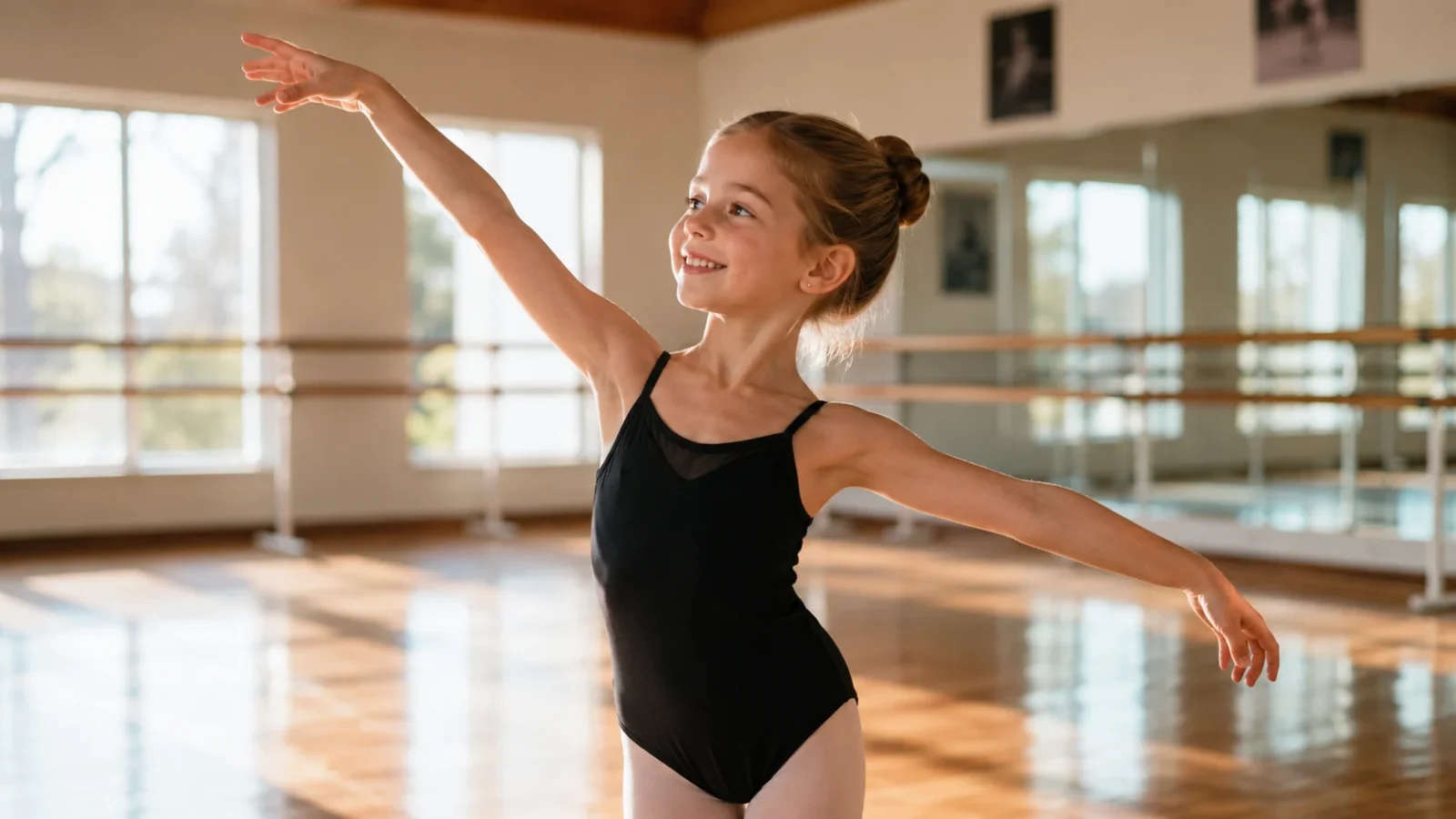
Watching your child take their first steps into a studio is a magical experience, but beneath the beautiful costumes and graceful choreography lies a highly athletic and physically demanding discipline. For parents exploring dance classes in North Vancouver, ensuring the physical health and safety of growing children is always the top priority. You might naturally wonder if such rigorous movement is safe for developing bodies or how to ensure your child avoids injury while training. The answer lies in the science of biomechanics and the secret weapon of every successful dancer, which is core strength and proper alignment. At Perform Art Studios, we believe that building a strong and healthy dancer starts from the inside out, so this comprehensive guide will break down complex anatomical principles into simple and actionable insights you can safely practise at home with your little ones.
Why Dance is More Than Just Memorising Steps
It is a common misconception that dance classes are simply about learning a sequence of movements and performing them to music. While choreography is the final product, a high-quality dance education focuses deeply on the structural foundation of the human body.
During childhood and adolescence, bones, muscles and ligaments are still rapidly developing.
If a child repeatedly performs high-impact movements like jumping or rapid turning without the proper physical foundation, they are at a significantly higher risk for overuse injuries. Proper dance training acts as a form of physical therapy in motion. Styles such as ballet classes for kids in North Vancouver and also hip hop dance classes for kids help children develop body awareness, posture, spatial coordination and advanced muscular control while building a strong technical foundation. By focusing on how a movement is initiated rather than just what the movement looks like on the surface, we safeguard their joints and spine to ensure they grow up strong, resilient and completely injury-free.
The 3 Golden Rules of a Young Dancer’s Posture
When dance medicine specialists and expert instructors talk about core strength, they are usually referring to three distinct but deeply interconnected concepts.
Understanding these three golden rules will completely change how you view your child’s posture and daily movement.
1. Neutral Pelvis: The Foundation of the Body
Think of the human body as a building. The pelvis is the foundation.
If the foundation is tilted or unstable, the entire building will be pulled out of alignment. A neutral pelvis refers to the optimal alignment of the pelvic bones where the spine naturally rests in its safest and most efficient curve. Many young children naturally develop a habit of tucking their pelvis under like a frightened dog or sticking it out too far backward. This creates a deep arch in the lower back known as hyperlordosis. Neither of these extremes is safe for long-term dance training.
Finding a neutral pelvis ensures that the weight of the upper body is distributed evenly down through the legs. Instructors often use the visual imagery of a bowl of water to explain this concept to young minds. We ask the students to imagine their pelvis as a bowl filled with water. If they tilt too far forward or backward, the water spills over the edge. Learning to balance this imaginary bowl is the very first step in injury prevention and allows the legs to move freely without straining the delicate lower back.
2. Core Support: The Spine’s Invisible Seatbelt
When most people hear the word core, they immediately picture the visible abdominal muscles.
However, true core support in dance comes from a much deeper set of muscles. These include the transversus abdominis, which wraps around the torso like a protective corset, along with the diaphragm and the pelvic floor. These deep muscles act as an invisible seatbelt for the spine.
Before a dancer even lifts their leg or attempts a jump, this internal support system must actively engage to protect the delicate vertebrae of the spine from the impact of landing and the strain of extreme flexibility. Without it, the body relies heavily on the lower back to do the heavy lifting, which frequently leads to chronic pain and fatigue. We teach children how to activate these deep muscles through specialised breathing techniques and focused engagement. This ensures their spine is protected securely from the inside out.
3. Trunk Stabilisation: The Key to Balance and Advanced Moves
While core support protects the spine from the inside, trunk stabilisation is about the larger and more superficial muscles working together. Muscles like the rectus abdominis and obliques must hold the entire torso steady against external forces.
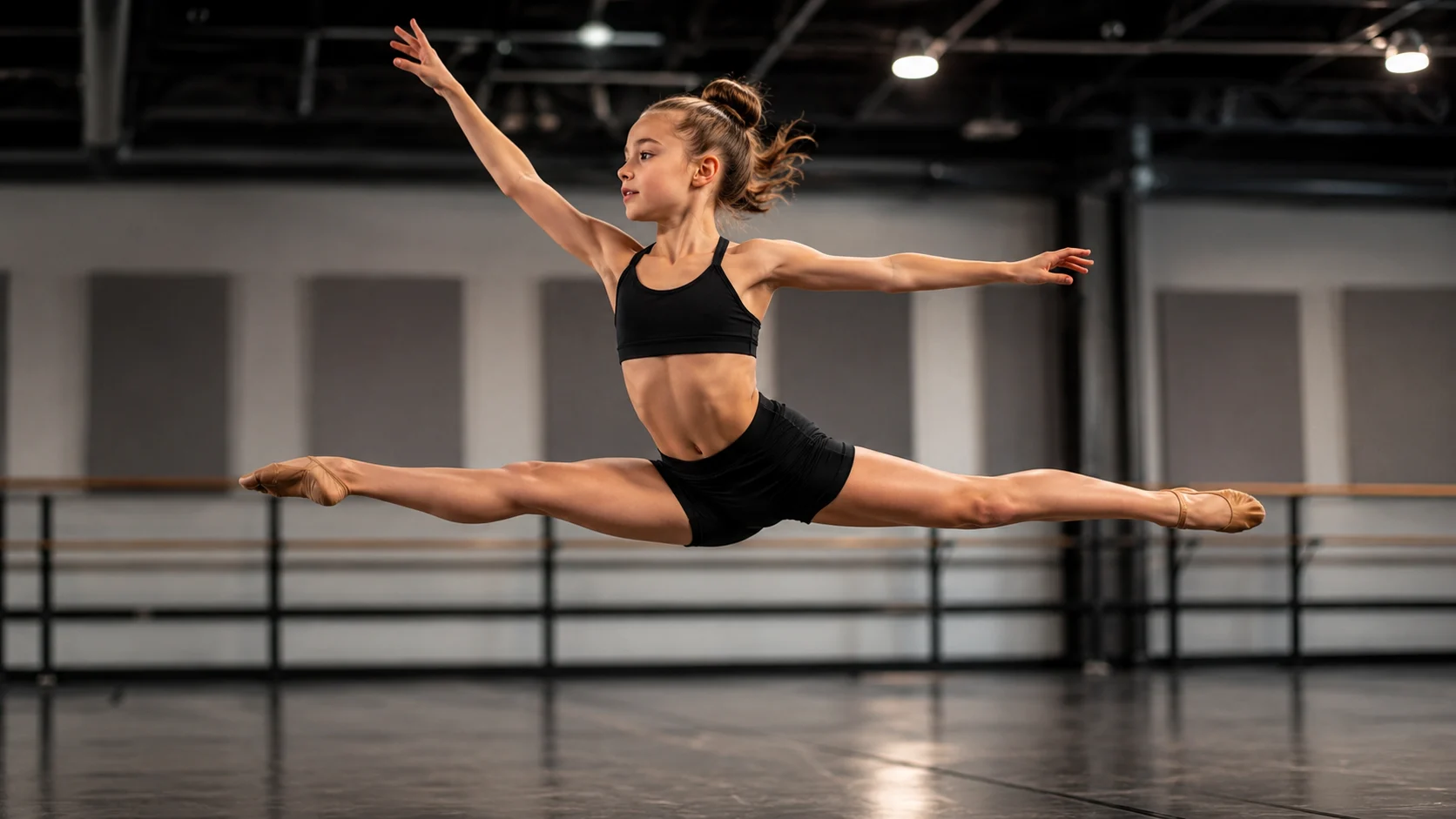
Imagine your child trying to balance on one leg while turning a pirouette. As their leg whips around, the centrifugal force tries to pull them completely off balance.
Trunk stabilisation is exactly what allows them to hold their torso rigid and controlled while their limbs move dynamically through the air. This stabilisation is crucial when bearing weight, shifting directions quickly or partnering with other dancers on stage. It is the absolute bridge between having a safe spine and executing breathtaking advanced dance techniques.
Long-Term Benefits: Why Your Child Needs This Training
Investing time in teaching children these biomechanical principles yields phenomenal benefits that extend far beyond the dance studio walls.
Preventing Sports and Overuse Injuries
Dance involves repetitive and sometimes strenuous movements.
If a child jumps with a misaligned pelvis, the impact shock travels poorly through the ankles and knees. This eventually causes joint pain or painful tendonitis. By mastering a neutral pelvis and proper core support, the centre of the body absorbs and distributes this impact effectively. This specific training makes them not only safer dancers but also substantially better athletes in other demanding sports like gymnastics, football or swimming.
Better Posture at School and in Daily Life
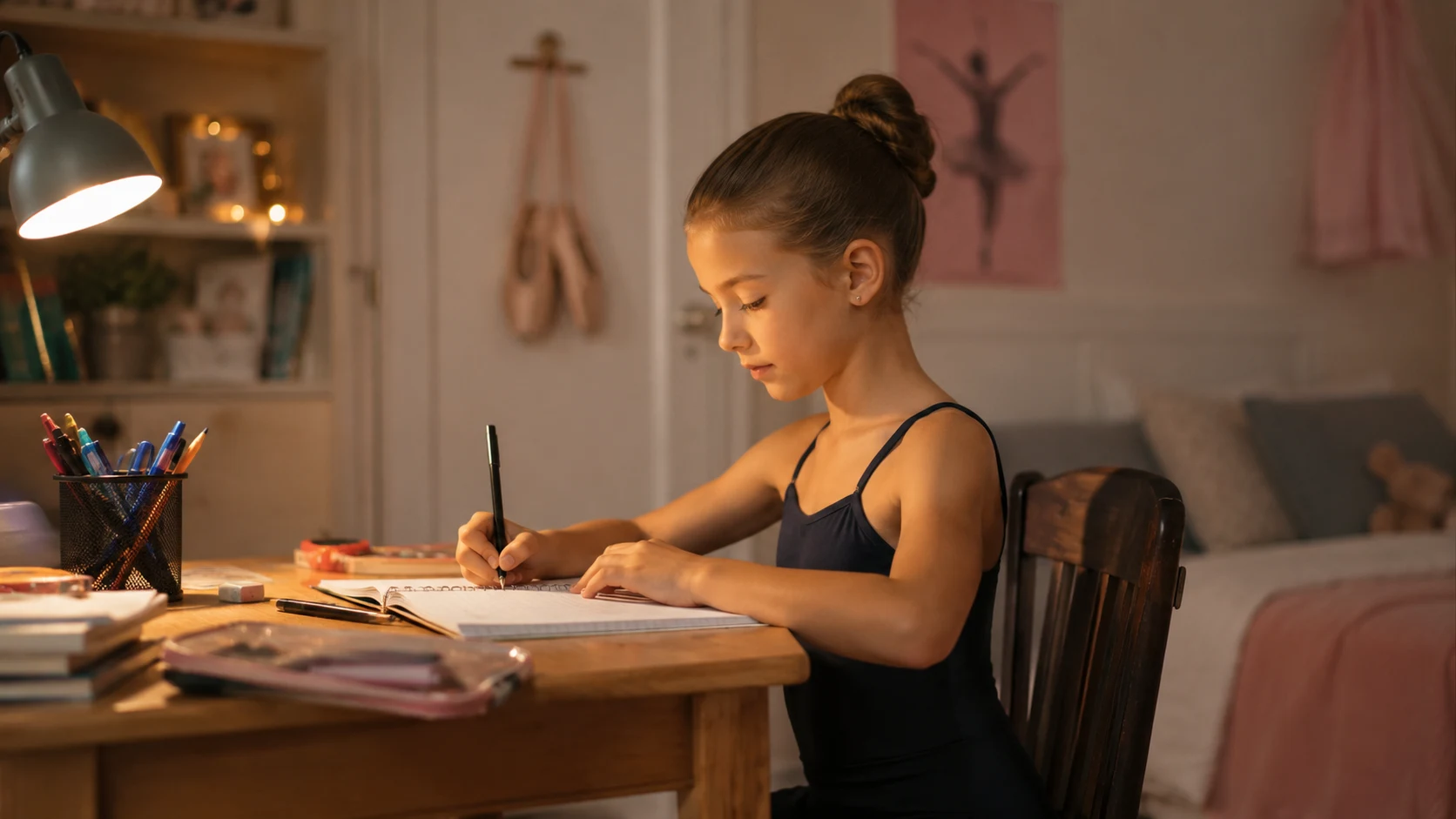
Modern children spend countless hours hunched over desks, tablets and smartphones.
This lifestyle encourages rounded shoulders and severely weakened core muscles. The body awareness taught through trunk stabilisation directly counteracts this modern tech neck. These benefits begin from the earliest stages of movement education, including toddler dance classes where young children develop balance, coordination, and body awareness through age-appropriate activities. Children who learn these critical alignment secrets naturally sit taller, walk with greater confidence and experience far fewer back and neck issues as they transition smoothly into adulthood.
The Perform Art Studios Difference: How We Protect Your Child
We do not just teach children how to dance. We teach them how to understand their own bodies.
Our curriculum is built firmly upon scientifically backed dance medicine principles. We know that explaining complex anatomical terms to a five-year-old is simply not effective. That is why our highly trained instructors translate these complex concepts into fun and incredibly age-appropriate imagery. Through creative exercises like the pelvic clock or pretending to be strong as a tree trunk during balancing acts, we instil a deep muscle memory that protects them.
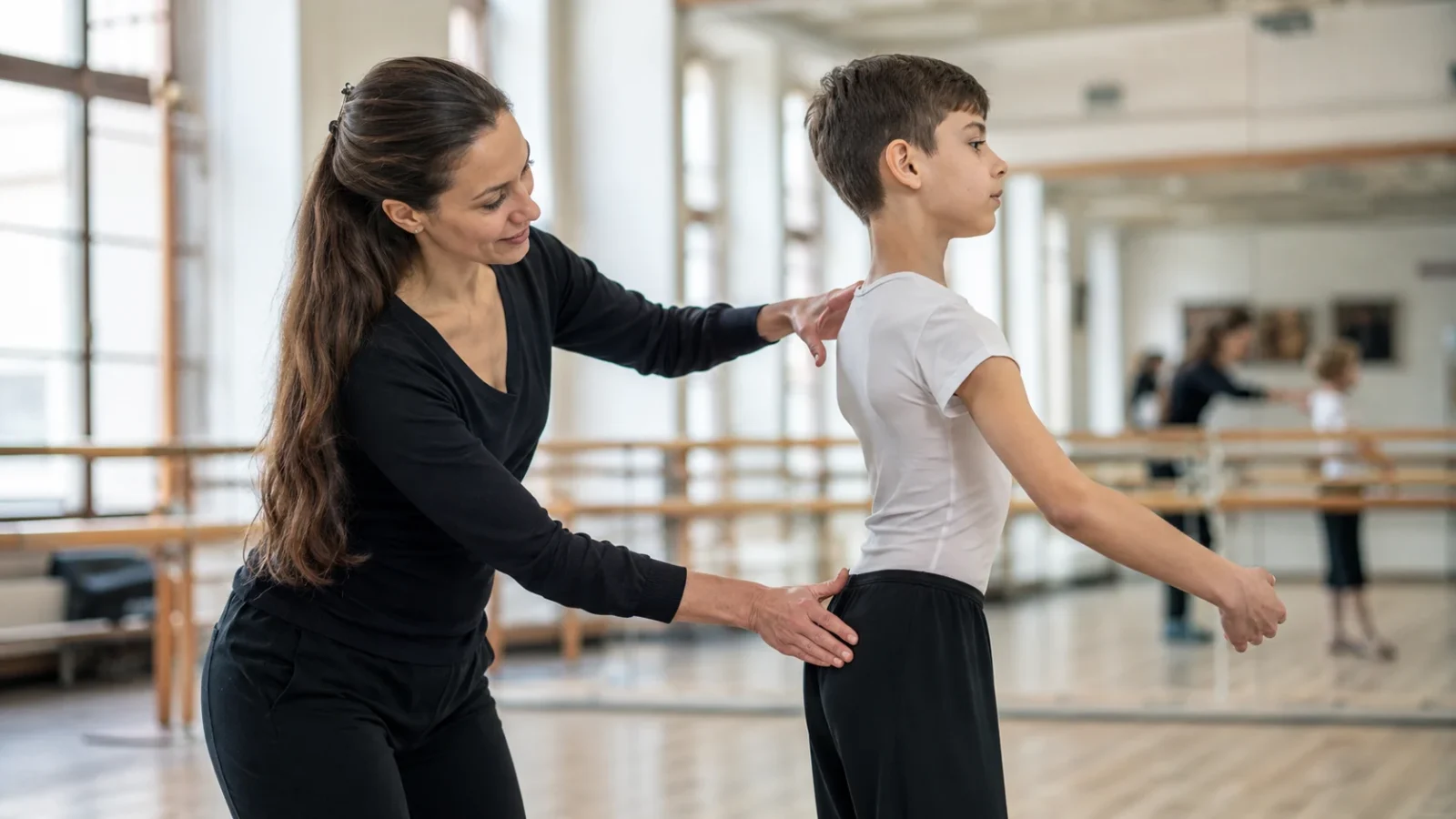
We actively monitor each student for early signs of fatigue or hyper-extension. Our dedicated team provides gentle and hands-on corrections to guide them safely back to a neutral alignment. Your child’s long-term physical wellbeing remains the absolute foundation of our entire teaching philosophy.
3 Simple Core Exercises Kids Can Do at Home
You do not need a professional studio to start building healthy physical habits.
Here are three fun and highly effective exercises you can do with your child at home to reinforce their core strength:
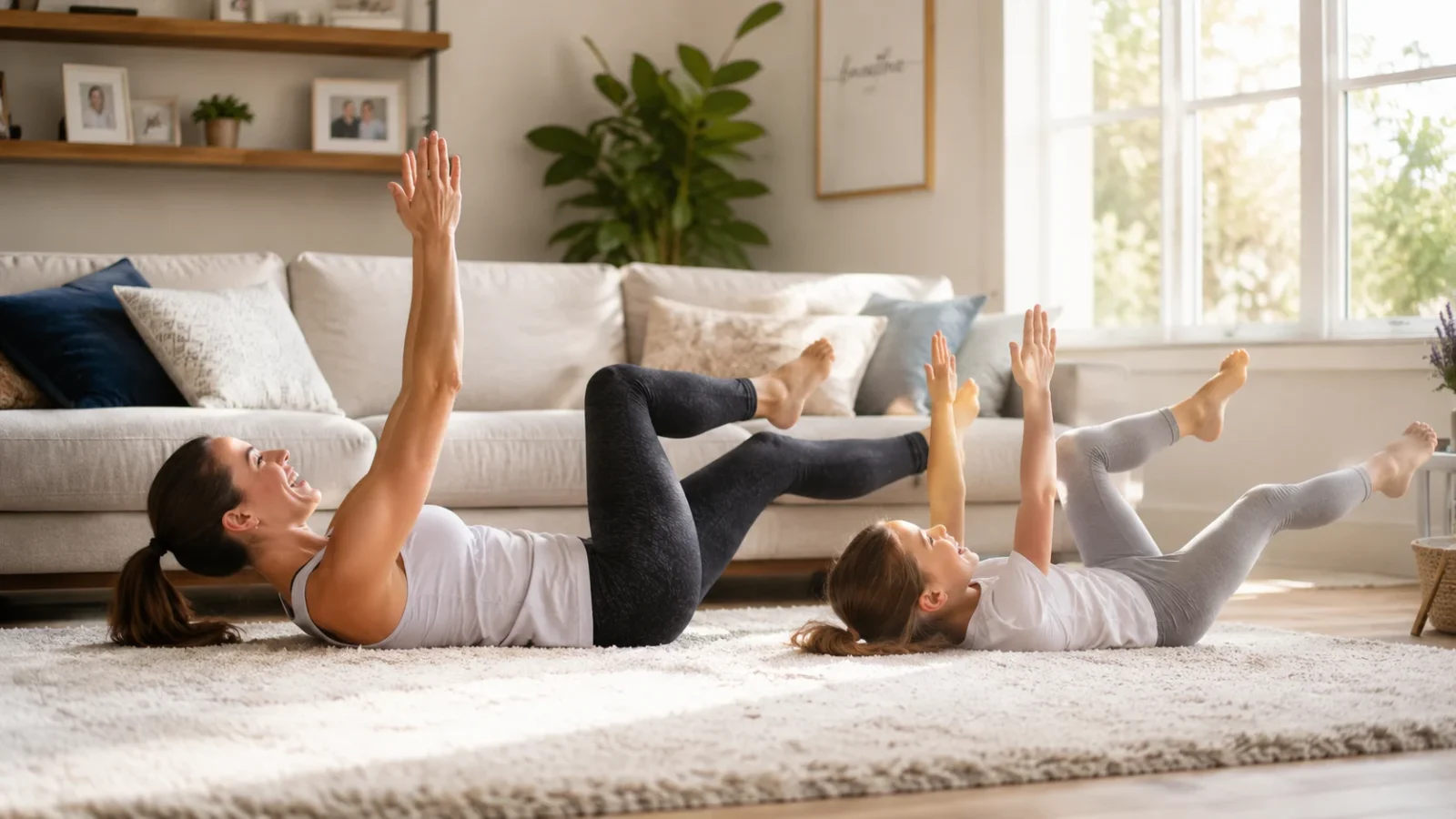
- The Dead Bug: Have your child lie on their back with their arms pointing straight up to the ceiling and their knees bent at a 90-degree angle. While keeping their lower back gently pressed into the floor, have them slowly lower one arm and the opposite leg toward the floor before returning to the start. It is like a fun coordination puzzle for their brain and muscles.
- The Strong Bridge: Lying on their back with knees bent and feet flat on the floor, ask your child to squeeze their glutes and lift their hips toward the ceiling. Remind them not to push their tummy up too high. They should form a straight diagonal line from their knees to their shoulders, hold for five seconds and slowly lower back down.
- The Superhero Plank: Have them rest carefully on their forearms and toes while keeping their body as straight as a wooden board. Make a game out of it to see who can hold their superhero shape the longest without letting their hips dip toward the floor. Start with ten seconds and build up gradually.
Conclusion
Dance is a beautiful and expressive art form that offers immense physical and psychological benefits for developing children, but to truly unlock these benefits safely, a strong structural foundation is non-negotiable. By understanding and implementing the scientific principles of a neutral pelvis, deep core support and trunk stabilisation, we empower our young dancers to move with grace, power and unshakeable confidence. When you enrol your child in a programme that prioritises physical health and proper biomechanics, you are giving them the ultimate tools for a lifetime of healthy and joyful movement. That is why Perform Art Studios remains so deeply committed to nurturing not just the artist but the athlete within every child, making our programmes the premier choice for families seeking the highest quality dance classes in North Vancouver.
Frequently Asked Questions
It is never too early to start building good habits. While we do not do heavy physical conditioning with toddlers, we start teaching basic body awareness, balance and the concept of a strong tummy in a highly playful way from ages three and up.
Not at all. In fact, a strong core actively enhances flexibility. When the spine is properly supported by the core, the limbs feel safe to stretch much further without causing muscle spasms or joint strain.
A quick check is to look at them from the side while they stand naturally. If their lower back has a very deep arch and their stomach pushes far forward, they are likely tilted. A neutral pelvis looks balanced with the tailbone pointing down rather than tipped aggressively backward.
Yes. Whether the class focuses on classical ballet, energetic jazz or modern hip-hop, the principles of safe alignment are woven seamlessly into the warm-ups, across-the-floor exercises and choreography of every single programme we offer.
References & Sources
- Krasnow, D., & Wilmerding, V. (n.d.). The Guide to Neutral Pelvis, Core Support, and Trunk Stabilization. (Educational resource for dance educators focusing on biomechanics and injury prevention).
- International Association for Dance Medicine & Science (IADMS). Core Reactivity and Alignment in Young Dancers.
- Quin, E., Rafferty, S., & Tomlinson, C. (2015). Safe Dance Practice: An Applied Dance Science Perspective. Human Kinetics.