
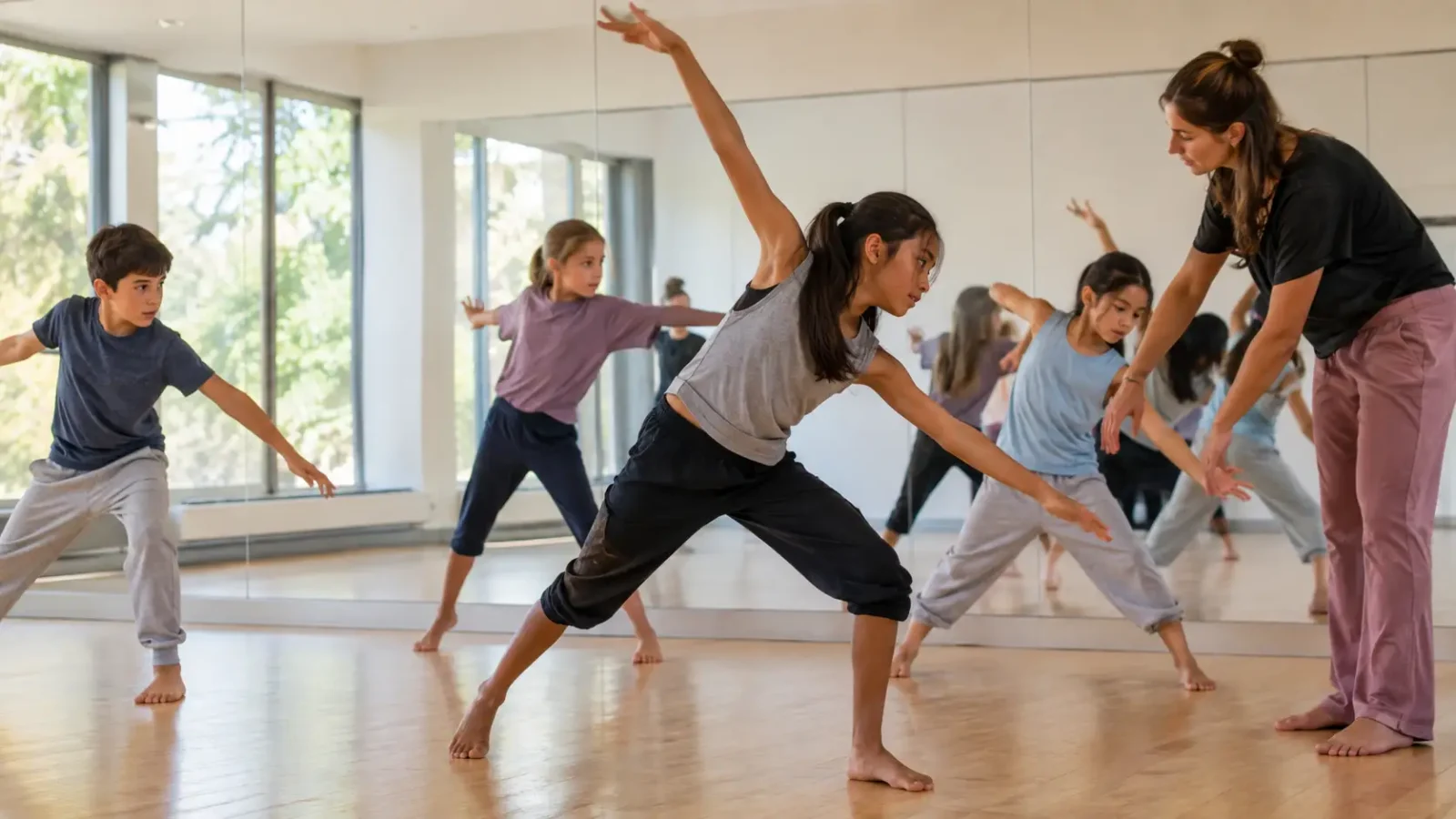
Contemporary dance gives children the freedom to move, explore, and express themselves in a way that feels natural and personal. Unlike dance styles that follow a more fixed structure, contemporary dance encourages young dancers to connect movement with emotion, music, imagination, and storytelling.
For many children, this style becomes a powerful way to build confidence, improve body awareness, and discover their own creative voice. At Perform Art Studios, our approach to contemporary dance focuses on helping young dancers develop strong movement foundations while giving them the space to express who they are.
What Is Contemporary Dance for Kids?
Contemporary dance is an expressive dance style that blends technique, creativity, floor work, musicality, and emotional storytelling. It often draws from ballet, jazz, modern dance, and improvisation, but it gives dancers more freedom to explore movement in their own way.
For children, contemporary dance is not about forcing perfect lines or copying every movement exactly. Instead, it helps them learn how to move with intention, listen to music, use space, control their bodies, and express ideas through choreography.
In a children’s class, contemporary dance may include:
- Floor work
- Balance exercises
- Creative movement tasks
- Improvisation
- Stretching and mobility
- Expressive choreography
- Musicality and rhythm work
- Body control and coordination exercises
This makes contemporary dance a wonderful option for children who enjoy creativity, music, storytelling, and movement.
Contemporary Dance Helps Children Express Themselves
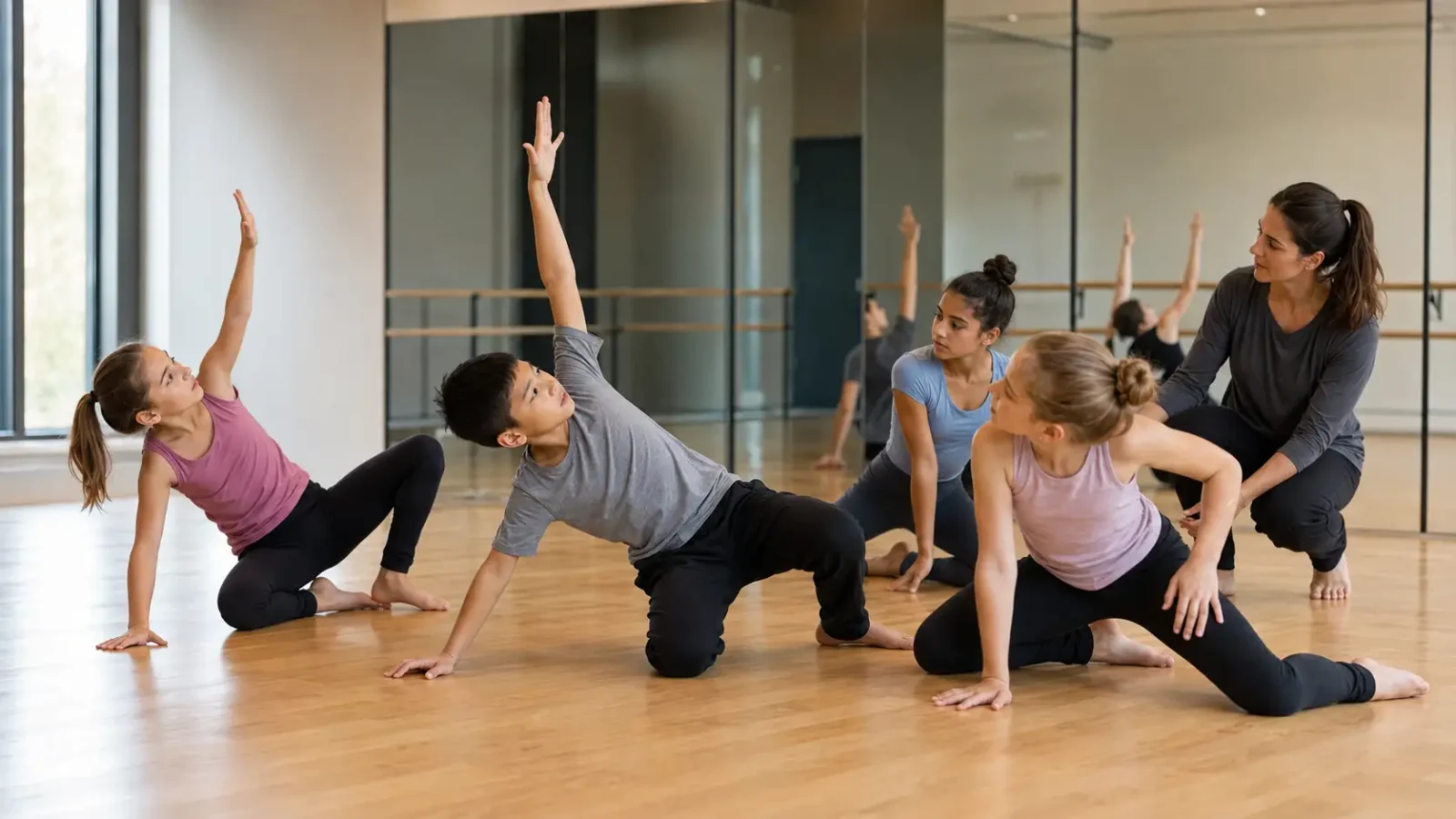
One of the most valuable benefits of contemporary dance for kids is the opportunity for self-expression.
Children often feel big emotions before they have the words to explain them. Contemporary dance gives them another way to communicate those feelings. Through movement, they can explore joy, focus, frustration, imagination, calmness, and confidence in a safe and supportive environment.
This can be especially meaningful for children who are shy, thoughtful, sensitive, or creative. They do not always need to speak loudly to be heard. In contemporary dance, expression can happen through a gesture, a turn, a pause, or the way they move across the room.
Over time, this helps children feel more comfortable expressing themselves both inside and outside the studio.
Building Confidence Through Creative Movement
Confidence grows when children feel capable, supported, and proud of their progress. Contemporary dance helps build that confidence by giving young dancers space to try, explore, and improve without feeling that there is only one “perfect” way to move.
As children learn new choreography, practise floor work, and explore improvisation, they begin to trust their bodies and their ideas. Small achievements matter. A child might feel proud of remembering a sequence, creating their own movement, improving their balance, or performing with more confidence than they did the week before.
These moments help children understand that progress comes through practice, patience, and courage.
Improving Body Awareness and Control
Contemporary dance is excellent for developing body awareness. Children learn how different parts of the body move, how to shift weight, how to use space safely, and how to control movement with intention.
This is especially important for growing children because strong body awareness supports posture, coordination, balance, and safe movement habits.
In contemporary dance, young dancers often practise moving between standing work and floor work. They may roll, reach, stretch, balance, turn, or change direction. These movements teach them how to understand their bodies in motion rather than simply copying steps.
This kind of awareness can support other dance styles as well as everyday activities, sports, and school life.
Supporting Coordination, Flexibility and Strength
Contemporary dance may look soft and expressive, but it still requires physical strength and control. Children use their core, legs, arms, back, and feet to move smoothly and safely.
Through regular practice, contemporary dance can help improve:
- Coordination
- Balance
- Flexibility
- Core strength
- Posture
- Spatial awareness
- Control during transitions
- Musical timing
Because the movements are varied, children learn to adapt quickly. They may move slowly with control in one section, then travel across the floor with more energy in the next. This variety helps them become more versatile and confident movers.
Encouraging Creativity and Imagination
Contemporary dance is closely connected to imagination. Children are encouraged to think about how movement can tell a story, show a feeling, or respond to music.
A teacher might ask students to move as if they are floating, falling, growing, reaching, or telling a story without words. These creative prompts help children think beyond steps and counts. They begin to understand that dance is not only physical; it is also artistic.
This creative freedom can be deeply rewarding for young dancers. It allows them to feel ownership over their movement and develop their own artistic personality.
Helping Children Connect With Music
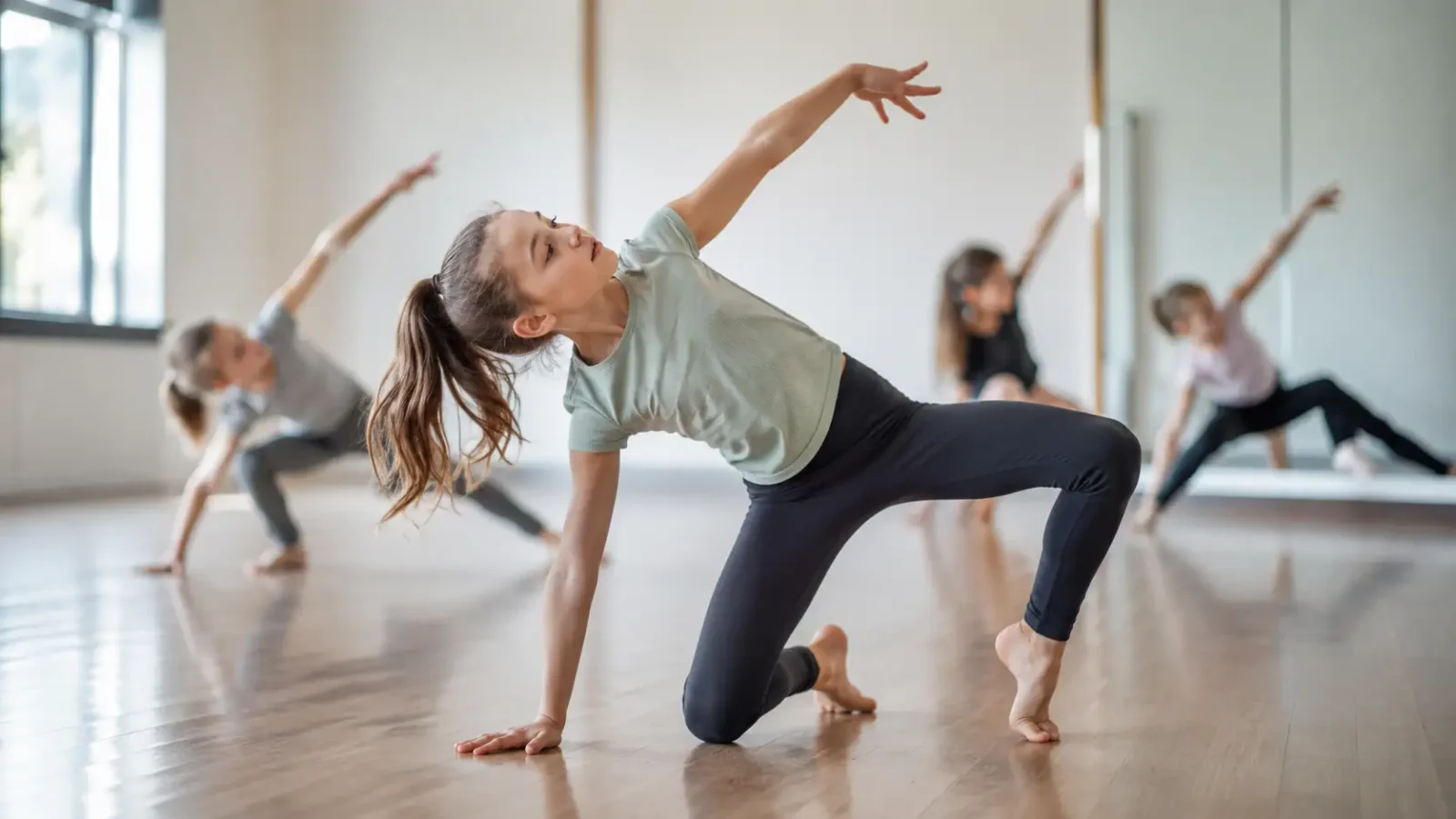
Musicality is an important part of contemporary dance. Children learn to listen closely to rhythm, tempo, mood, and changes in the music.
Rather than simply moving on the beat, contemporary dance encourages dancers to respond to the feeling of the music. They may learn when to move sharply, when to soften, when to pause, and when to let a movement continue.
This helps children become more sensitive and thoughtful dancers. It also strengthens their ability to focus, listen, and respond creatively.
Is Contemporary Dance Good for Beginners?
Yes. Contemporary dance can be a great choice for beginners when the class is taught in an age-appropriate and supportive way.
Children do not need to have years of dance experience before starting. A good beginner class introduces movement gradually, helping students build confidence, coordination, musicality, and body control step by step.
For some children, contemporary dance may even feel more accessible than highly structured styles because it allows more room for personal expression. The most important thing is that the class matches the child’s age, confidence level, and movement experience.
Contemporary Dance and Other Dance Styles
Contemporary dance works beautifully alongside other dance styles. Ballet can help children build alignment, posture, and technique. Jazz can support energy, rhythm, and performance quality. Contemporary dance then gives students another layer of freedom, creativity, and emotional expression.
For young dancers who already enjoy ballet or jazz, contemporary can help them become more expressive and versatile. For children who are newer to dance, it can be a welcoming way to explore movement in a creative and meaningful way.
Families looking for contemporary dance for kids in North Vancouver can explore Perform Art Studios’ contemporary program for young dancers who enjoy expressive movement, storytelling, and creative choreography.
Why Contemporary Dance Matters for Children
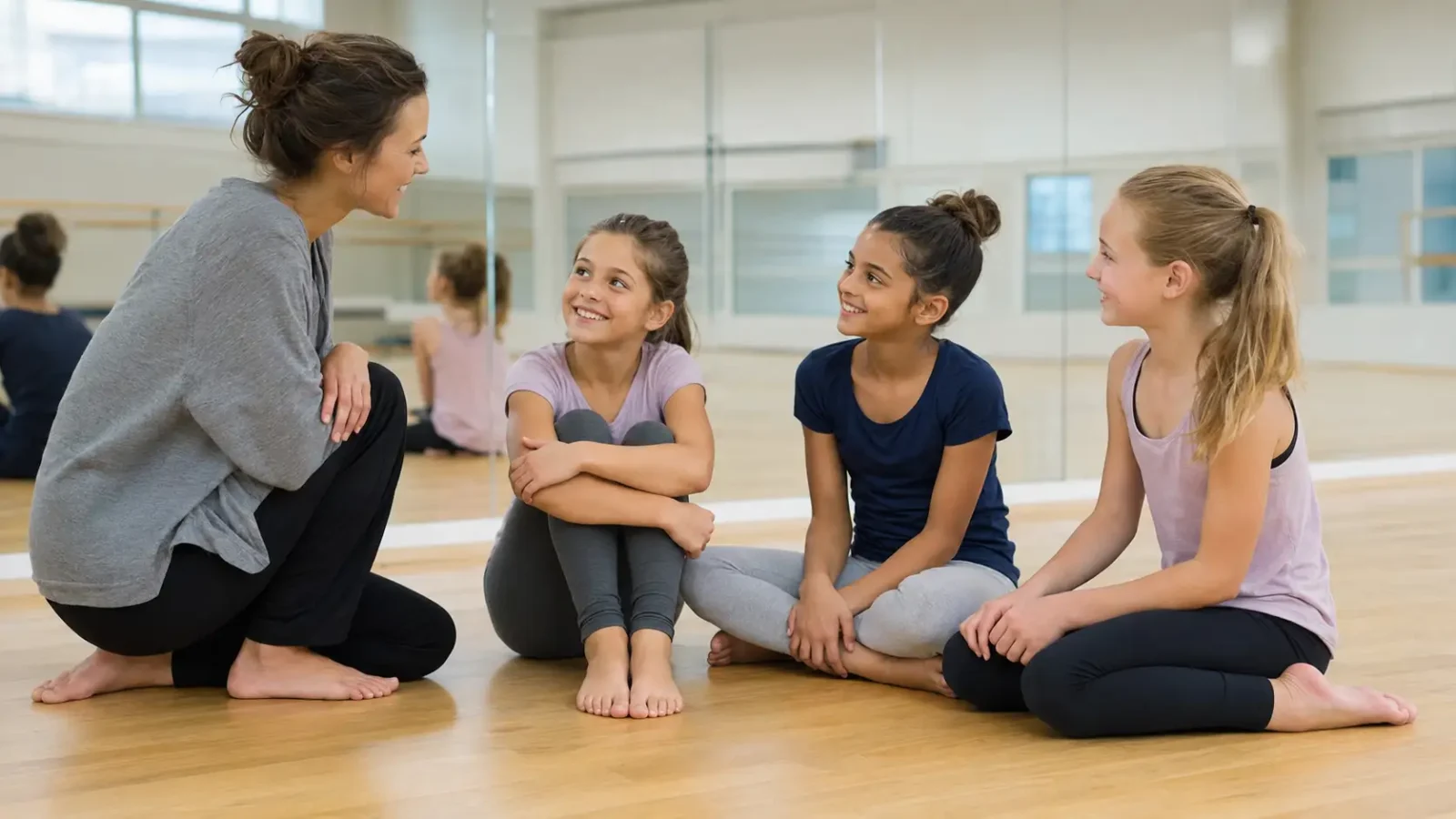
Children need opportunities to move, create, listen, focus, and express themselves. Contemporary dance brings all of these elements together.
It helps children develop physical skills, but it also supports emotional and creative growth. They learn to trust themselves, work with others, respond to music, and communicate through movement.
For many young dancers, contemporary dance becomes more than a weekly class. It becomes a place where they can feel creative, capable, and understood.
Conclusion
Contemporary dance gives children a beautiful balance of structure and freedom. It helps young dancers build confidence, creativity, coordination, body awareness, musicality, and emotional expression in a supportive environment.
For children who love to move, imagine, and tell stories through dance, contemporary can be a meaningful and rewarding part of their dance journey.
At Perform Art Studios, our contemporary dance classes are designed to help young dancers grow with confidence, creativity, and joy.