
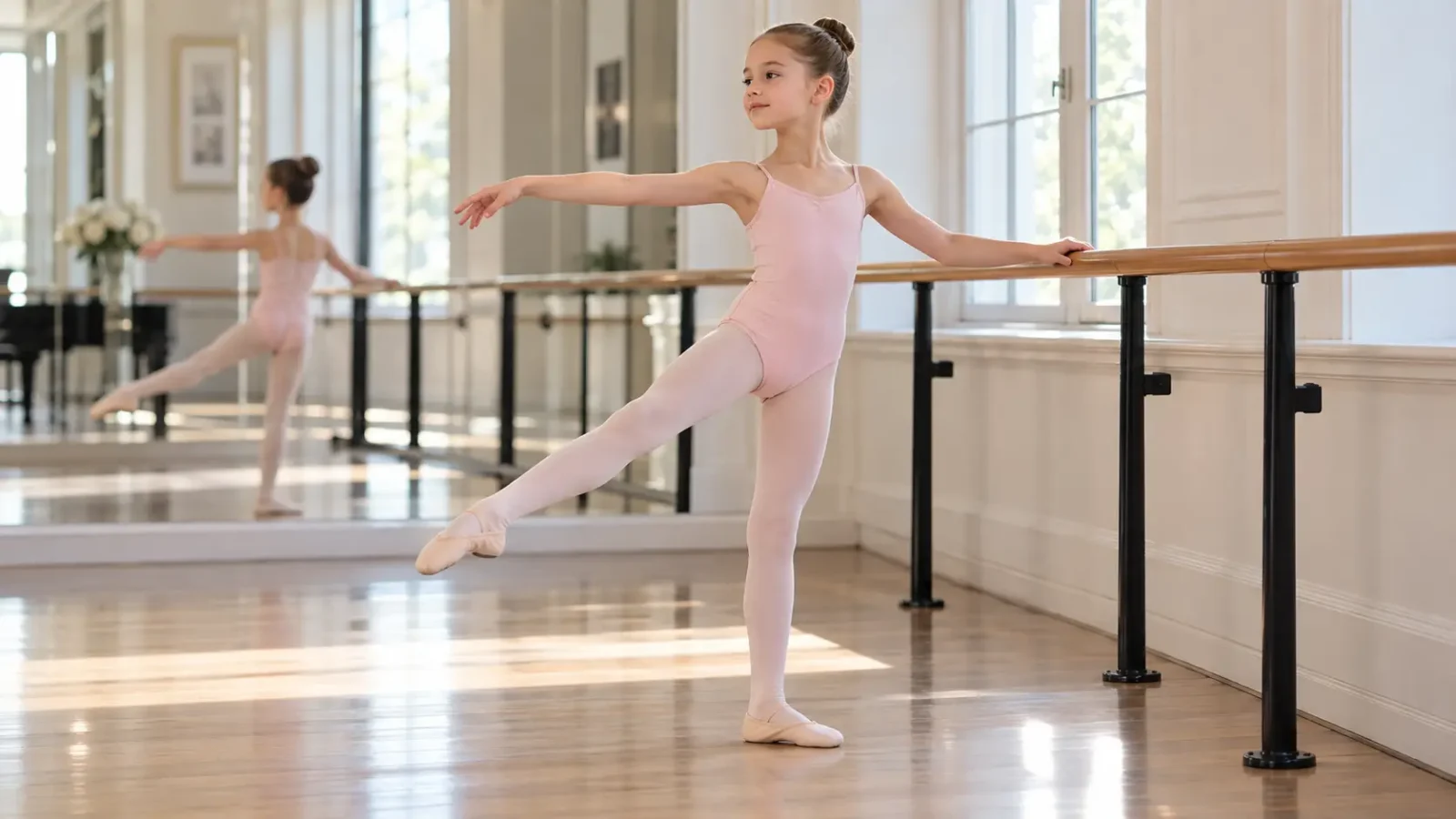
Some ballet movements look effortless, but even the smallest steps require strength, precision, and control. Ballet dégagé is one of those essential techniques that helps dancers build the speed, coordination, and footwork needed for more advanced movements. Whether your child is just starting ballet or learning to refine their technique, understanding this movement can make a real difference. At Perform Art Studios, we introduce foundational skills through our Kids Ballet classes, helping young dancers develop confidence and proper technique. But what exactly is a dégagé, how is it performed, and what makes it different from a tendu? Let’s break it down step by step.
What Is Dégagé in Ballet?
Ballet dégagé is a fundamental movement in which a dancer brushes one foot along the floor and lifts it slightly off the ground while keeping the leg straight and the toes pointed. The French word “dégagé” means “disengaged” or “freed,” referring to the foot leaving the floor. This movement can be performed to the front, side, or back and helps dancers develop strength, speed, balance, and coordination for more advanced ballet techniques.
Build Strong Ballet Foundations
From first positions to essential movements like dégagé, help your child develop technique, coordination, and confidence at Perform Art Studios.
How to Do a Dégagé in Ballet: Step by Step
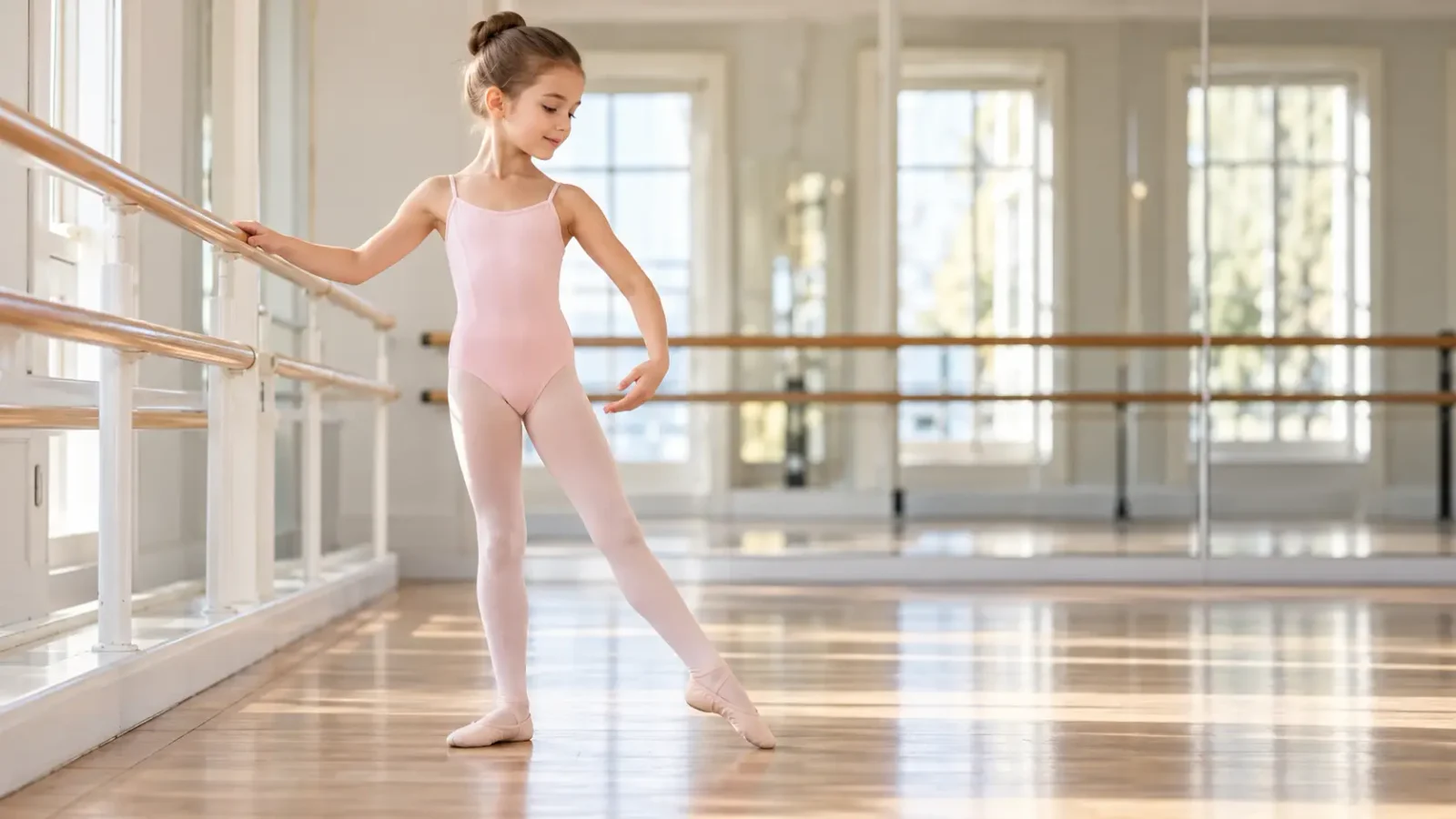
Learning how to perform a ballet dégagé starts with understanding how your foot moves along the floor before lifting into the air. Although the movement looks simple, it requires proper alignment, controlled footwork, and good balance. Follow these five steps to practice the technique correctly, focusing on precision rather than speed.
Step 1: Start in the Correct Ballet Position
Stand in first position with your heels together and toes turned outward naturally from the hips. Keep your knees straight but not locked, your shoulders relaxed, and your back tall. Distribute your weight evenly across both feet and gently rest one hand on a ballet barre for support. Avoid forcing your feet into a wider turnout than feels comfortable.
Step 2: Brush Your Working Foot Along the Floor
Shift your weight onto your supporting leg and slowly slide the other foot outward, keeping your toes in contact with the floor. Extend your knee and point your foot as you move through a tendu position. The movement should feel like a smooth brush against the floor rather than simply lifting your leg.
Step 3: Lift Your Foot Slightly Off the Ground
Continue the brushing motion until your pointed toes leave the floor by a few inches. Keep your working leg extended, your supporting knee straight but relaxed, and your hips level. The goal is a quick, controlled movement, not a high kick. Avoid leaning your upper body to compensate for the lifted leg.
Step 4: Lower Your Foot with Control
Bring your working foot back down along the same path until your pointed toes touch the floor again. Maintain your posture and balance without dropping your leg or bending your supporting knee. This controlled return is just as important as the outward movement.
Step 5: Return to Your Starting Position and Repeat
Slide your working foot back along the floor, gradually relaxing the pointed foot as you close into first position. Keep your upper body steady throughout the movement. Once you feel comfortable, repeat the dégagé to the front, side, and back, starting slowly before gradually increasing your speed.
Dégagé vs. Tendu: What’s the Difference?
The main difference between dégagé and tendu in ballet is whether the toes leave the floor. In a tendu, the dancer extends one leg while keeping the pointed toes in contact with the ground. In a dégagé, the dancer brushes the foot through the same extended position but continues the movement until the toes lift slightly off the floor. Both movements help develop foot strength, coordination, and control, but dégagé adds a quicker, more dynamic action.
| Feature | Tendu | Dégagé |
|---|---|---|
| Foot Contact | Toes remain on the floor | Toes lift off the floor |
| Leg Position | Straight and extended | Straight and extended |
| Movement | Sliding and stretching | Brushing and lifting |
| Speed | Generally slow and controlled | Generally quicker and sharper |
| Main Focus | Foot articulation and alignment | Speed, precision, and coordination |
Both techniques are essential foundations of ballet training. Beginners typically learn tendu first because it teaches them how to extend and control the foot before adding the lifting action required for dégagé.
Common Mistakes When Performing a Ballet Dégagé
Even though ballet dégagé is a foundational movement, beginners often make small mistakes that affect their balance, control, and technique. Recognizing these errors early helps dancers develop better habits and perform the movement more confidently. Here are some common mistakes to watch out for:
- Lifting the foot too high: Dégagé requires only a small lift off the floor. Raising the leg too high can affect balance and turn the movement into a different exercise.
- Bending the working knee: Keep the working leg straight throughout the movement to maintain proper alignment and a clean extension.
- Skipping the brushing motion: The foot should brush along the floor before lifting. Avoid raising it directly into the air.
- Losing upper-body alignment: Keep your shoulders relaxed, torso upright, and hips level instead of leaning toward the supporting leg.
- Rushing the movement: Focus on controlled, precise movements before increasing speed. Moving too quickly can lead to poor technique.
- Forcing the turnout: Rotate your legs naturally from the hips rather than twisting your knees or feet outward beyond their comfortable range.
Why Is Dégagé Important in Ballet?
Dégagé plays an important role in developing the strength, precision, and coordination dancers need as they progress in ballet. By repeatedly brushing and lifting the foot off the floor, dancers improve their ability to move quickly while maintaining proper technique. Practicing dégagé offers several benefits:
- Strengthens the feet and ankles: Repeated foot extensions help build the muscle control needed for more demanding ballet movements.
- Improves speed and coordination: Quick, controlled movements train dancers to move their feet accurately and respond to changes in rhythm.
- Develops balance and stability: Shifting weight onto one supporting leg helps dancers maintain control while the other leg moves.
- Improves foot articulation: Moving through the foot from heel to pointed toes encourages smoother, more precise technique.
- Prepares dancers for advanced movements: The strength and coordination developed through dégagé support faster footwork, jumps, and more complex ballet combinations.
How to Practice Ballet Dégagé at Home
Practicing ballet dégagé at home can help beginners improve their technique, balance, and confidence between classes. You don’t need a professional ballet studio, but you do need a clear, non-slip surface, enough space to move safely, and a stable support. Keep these tips in mind:
- Start with a proper warm-up: Gently warm up your ankles, feet, and legs before practicing.
- Use a stable support: Hold a securely positioned ballet barre or sturdy support to maintain balance. Avoid furniture that could slide or tip over.
- Practice slowly at first: Focus on brushing the foot along the floor, pointing the toes, and maintaining proper posture before increasing speed.
- Work in different directions: Practice dégagé to the front, side, and back to develop coordination and control.
- Keep practice sessions short: A few minutes of focused practice is more valuable than repeating the movement while tired or losing proper technique.
- Follow your instructor’s guidance: Young dancers should practice techniques already taught in class, with appropriate adult supervision, rather than attempting unfamiliar variations on their own.
Consistent practice helps reinforce what dancers learn in ballet class, but professional instruction remains important for developing correct technique and preventing poor movement habits.
Learn Ballet at Perform Art Studios
Mastering movements like dégagé takes practice, patience, and proper guidance. At Perform Art Studios in North Vancouver, young dancers can build a strong foundation in ballet through structured classes that focus on technique, coordination, musicality, and confidence. Whether your child is taking their first steps in ballet or developing existing skills, our experienced instructors help them progress in a supportive and encouraging environment.
Explore our Ballet Classes in North Vancouver and discover the right program for your child.
Final Thoughts
Ballet dégagé may seem like a simple movement, but mastering it helps dancers develop the control, precision, and coordination needed for more advanced techniques. With consistent practice, proper posture, and attention to footwork, beginners can gradually build confidence and improve their skills. If your child is ready to explore ballet or take their technique to the next level, our Ballet Classes in North Vancouver at Perform Art Studios provide a supportive environment to learn, practice, and grow.
Frequently Asked Questions
Dégagé is pronounced “day-gah-ZHAY.” It is a French ballet term meaning “disengaged” or “freed,” describing how the dancer’s foot leaves the floor during the movement.
In a basic dégagé, the toes typically lift just a few inches off the floor. The exact height can vary depending on the ballet method and exercise, but maintaining a straight leg, pointed foot, and proper alignment is more important than lifting higher.
Yes. Dégagé is a foundational ballet movement commonly introduced after students become familiar with tendu. It helps beginners develop foot strength, coordination, balance, and control under the guidance of a ballet instructor.
Dégagé and glissé can describe closely related movements, depending on the ballet training method. Both involve brushing the foot along the floor and lifting it slightly. The Royal Academy of Dance (RAD) commonly uses the term glissé, while dégagé is used in other ballet teaching traditions.