
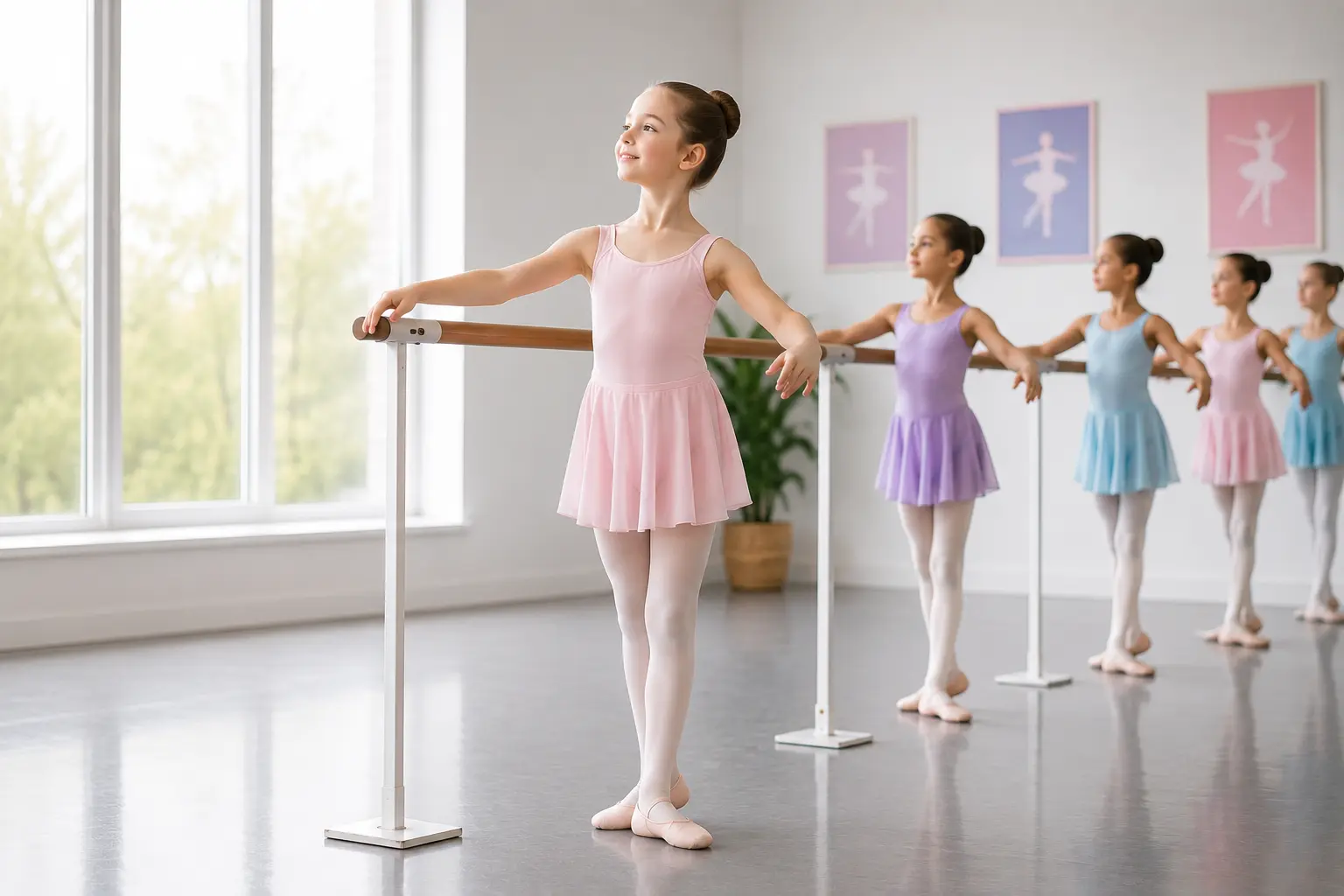
If you have ever wondered what is ballet, the simplest answer is that it is a structured form of dance that combines technique, controlled movement, musicality, storytelling, and expression. Although ballet is often associated with tutus, pointe shoes, and stage performances, beginners start with much simpler foundations such as posture, balance, coordination, basic positions, and learning how to move with music. For families interested in exploring the style more closely, ballet programs at Perform Art Studios introduce young dancers to ballet through age- and level-appropriate training.
What Is Ballet in Simple Terms?
Ballet is a form of dance built around a specific movement vocabulary and technique.
Dancers learn how to control the position and movement of their:
- feet
- legs
- arms
- torso
- head
- overall posture
At the same time, ballet teaches dancers to coordinate those movements with music.
Technique is an important part of ballet, but ballet is not only about performing steps correctly. Expression, storytelling, musical interpretation, and performance also play important roles.
For young beginners, this means ballet can involve both structure and creativity. Students learn specific positions and movements while also discovering how movement can communicate different moods, characters, and ideas.
Ballet History: How Old Is Ballet?
Ballet history goes back several centuries.
The early roots of ballet developed in the Italian Renaissance courts during the 15th and 16th centuries. Court entertainment combined music, dancing, elaborate costumes, and theatrical presentation.
Ballet later developed significantly in France, where its technique became increasingly formalized. French influence is still easy to see today because many ballet terms, including plié, tendu, and relevé, are French.
Over the following centuries, ballet continued to develop across different parts of Europe and became especially influential in Russia. It eventually evolved into both a major theatrical art form and a structured method of dance training.
So, how old is ballet? Its roots stretch back more than 500 years, although the ballet dancers learn and perform today developed gradually over several centuries.
That long history helps explain why ballet includes strong traditions while continuing to evolve through new choreography and styles.
What Are the Main Types of Ballet?
There are several types of ballet, and each reflects a different stage in the development of the art form.
They all share connections to ballet technique, but their movement style, music, storytelling, and choreography can differ.
| Type of Ballet | Main Characteristics |
|---|---|
| Classical Ballet | Structured technique, traditional vocabulary, balance, precision, and formal choreography |
| Romantic Ballet | Strong emphasis on emotion, storytelling, atmosphere, and expressive movement |
| Neoclassical Ballet | Uses classical technique with greater freedom, speed, and less traditional staging |
| Contemporary Ballet | Combines ballet foundations with influences from contemporary and modern movement |
These categories are helpful for understanding ballet broadly, but dancers do not necessarily need to choose one particular style when they begin.
Young students usually start by developing ballet fundamentals that can support more advanced training later.
Classical Ballet
Classical ballet is the style most people picture when they hear the word “ballet.”
It emphasizes:
- precise technique
- defined positions
- controlled posture
- balance
- turnout
- structured movement vocabulary
- musical timing
Classical ballet has also produced many of the well-known theatrical ballets associated with traditional stages and costumes.
For beginners, however, classical training begins much more simply with foundational exercises and positions.
Romantic Ballet
Romantic ballet became especially influential during the 19th century.
It placed greater emphasis on storytelling, emotion, fantasy, and expressive characters.
Many of the visual ideas people associate with traditional ballet performances,including flowing costumes and dramatic stories,were shaped during this period.
Young beginners do not need to study ballet history in depth to participate, but storytelling and expressive movement remain part of ballet education today.
Neoclassical Ballet
Neoclassical ballet uses much of the vocabulary and technique of classical ballet but gives choreographers more freedom.
Movement may be faster, more abstract, or less focused on traditional stories and elaborate theatrical settings.
It demonstrates that ballet technique can be used in ways that feel very different from traditional story ballets.
Contemporary Ballet
Contemporary ballet brings ballet technique together with influences from contemporary dance and other movement styles.
Choreography may use different body shapes, movement qualities, floor work, or creative approaches while still drawing on ballet foundations.
This is one reason learning ballet fundamentals can support dancers who later become interested in several different dance styles.
Basic Ballet Moves Beginners Learn
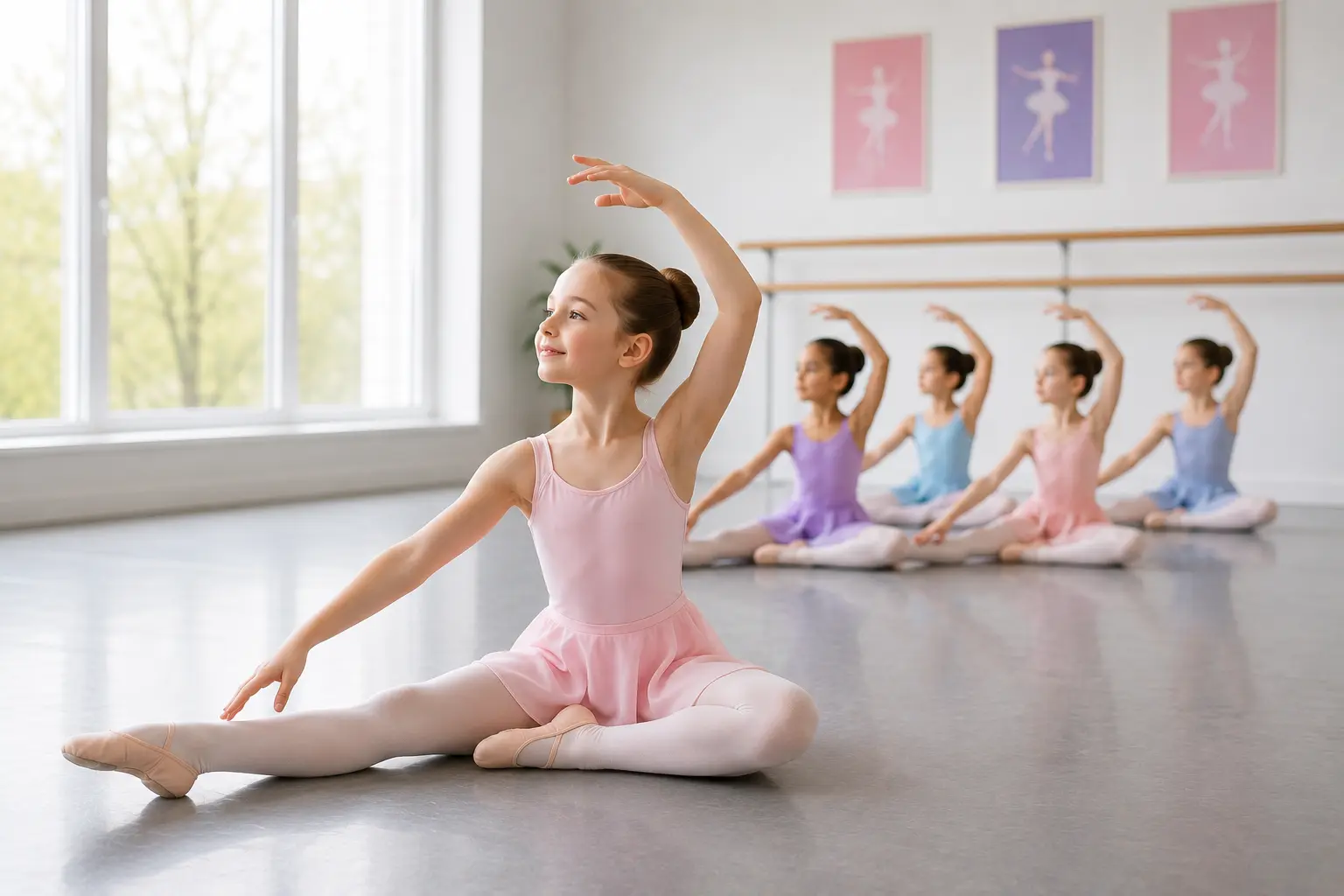
There are many ballet moves, but young beginners usually start with foundational movements rather than advanced turns, jumps, or pointe work.
Some common introductory movements include:
- Plié: A plié involves bending the knees while maintaining controlled posture and alignment. It appears throughout ballet training and helps dancers develop coordination and control.
- Tendu: In a tendu, the dancer extends the foot along the floor until the leg and foot are lengthened, then returns to the starting position. It introduces control through the feet and legs.
- Relevé: A relevé involves rising onto the balls of the feet. Beginners may use it to work on balance, ankle strength, posture, and controlled movement.
- Sauté: A sauté is a basic jump. Young dancers learn how to take off and land with control rather than simply jumping as high as possible.
- Arabesque: An arabesque is a position where one leg extends behind the dancer while the body remains controlled and balanced. Beginner versions are usually kept simple while students develop alignment and stability.
- Basic Arm Positions: Ballet also includes specific positions and pathways for the arms. Students gradually learn how arm placement works together with posture, movement, and musical expression.
The purpose of learning these movements is not to perform them perfectly on the first attempt. Ballet technique develops through repetition, feedback, and consistent practice.
Is Ballet Only About Pointe Work?
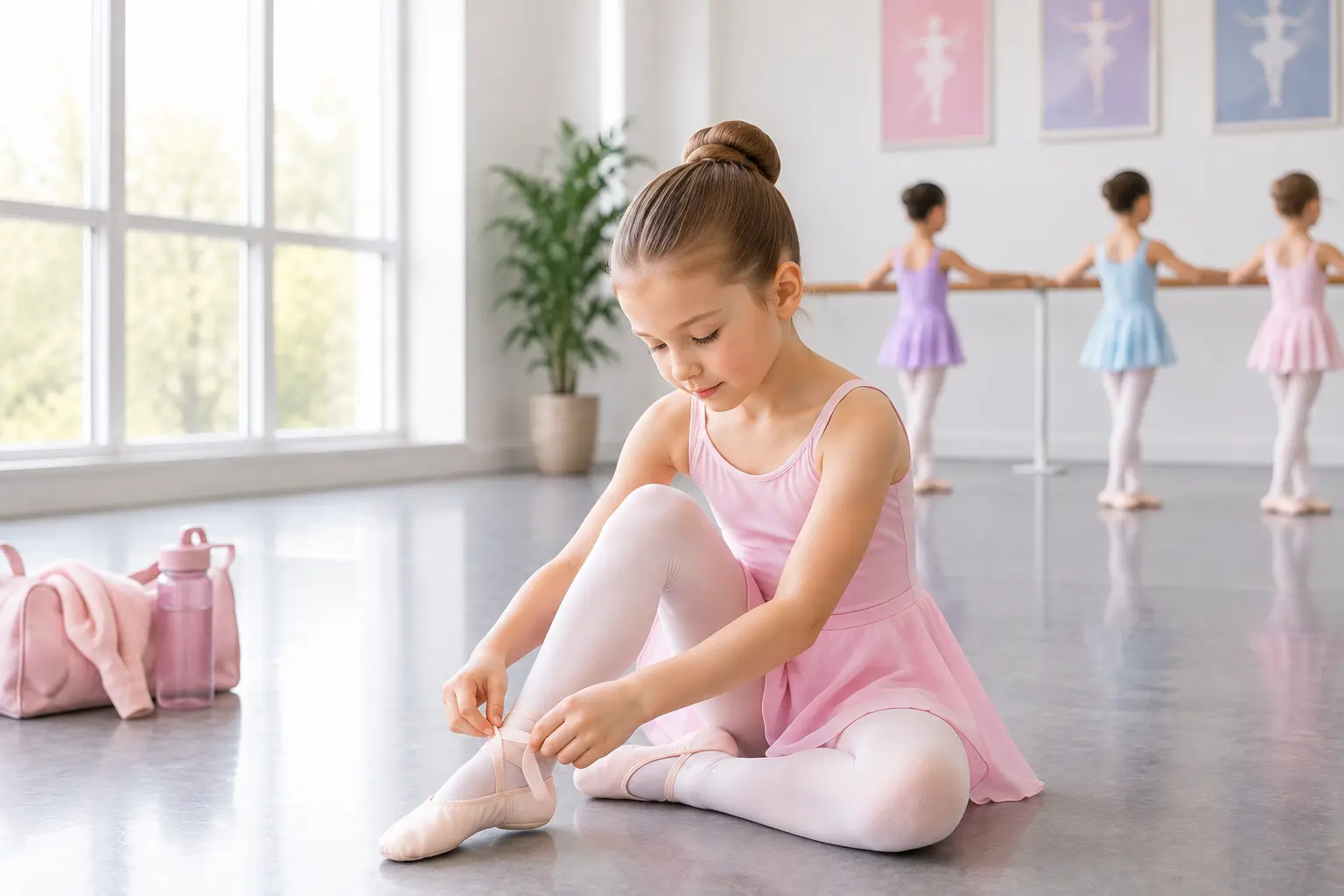
No. Pointe work is one of the most recognizable parts of ballet, but it is not where beginners start.
Before a dancer begins pointe training, they first need to develop foundations such as:
- posture
- alignment
- balance
- strength
- control
- foot and ankle stability
- consistent ballet technique
Pointe training is a later stage of development and should be introduced when a dancer has the appropriate preparation and guidance.
A child can study and enjoy ballet for years without pointe being the focus of every class.
What Do Children Learn in Ballet?
Children learn much more than individual ballet steps.
A well-structured ballet program may help young dancers develop:
- body awareness
- coordination
- balance
- posture and alignment
- musicality
- spatial awareness
- movement memory
- listening skills
- control
- confidence in movement
They also learn how to follow movement sequences and respond to instructions from a teacher.
As training progresses, students gradually connect individual skills together into longer combinations and choreography.
Build Strong Ballet Foundations
Ballet develops gradually. Age- and level-appropriate training gives young dancers time to learn technique, coordination, musicality, and movement skills as they progress.
Benefits of Ballet for Kids
The benefits of ballet for kids are not limited to learning how to dance.
Ballet gives children a structured environment in which they can develop physical, musical, creative, and learning skills over time.
Coordination and Balance
Ballet frequently asks dancers to coordinate different parts of the body at the same time.
Students may need to position their arms, move their legs, maintain posture, listen to music, and remember a sequence simultaneously.
With practice, these challenges can help develop coordination and balance.
Body Awareness
Students become more aware of how they stand and move.
They gradually learn to recognize concepts such as alignment, posture, direction, and controlled movement.
Musicality
Ballet training teaches students to listen closely to music.
They learn to recognize timing, rhythm, phrasing, and changes in musical quality and connect those elements to movement.
Focus and Listening
A ballet class requires students to watch demonstrations, listen to instructions, remember combinations, and apply corrections.
These skills develop gradually as children become more comfortable with the class structure.
Consistency
Many ballet skills take repetition.
Students learn that progress does not require mastering a movement immediately. It can come from returning to the same foundations and improving them over time.
Confidence
Learning a new movement, remembering a combination, or performing in front of others can help young dancers become more comfortable with their abilities.
Confidence develops differently for every child, so progress should not be measured by comparing one dancer with another.
Creative Expression
Although ballet has a structured technique, dancers also use movement to communicate.
Music, choreography, characters, and performance give children opportunities to explore expression within that structure.
What Does a Beginner Ballet Class Look Like?
A beginner ballet class usually introduces technique gradually.
The exact structure depends on the dancer’s age and level, but a class may include:
- a warm-up
- basic positions
- simple barre exercises
- balance and posture work
- centre exercises
- musical activities
- introductory jumps
- travelling movements
- short combinations
For younger children, classes may include more imagination, games, and creative movement.
As students grow older and gain experience, the structure can become more technical and detailed.
Beginners are not expected to arrive knowing ballet terminology or technique. Learning those things is the purpose of attending the class.
What Age Can Children Start Ballet?
There is no single age at which every child must begin ballet.
Very young children can first explore music, rhythm, coordination, and creative movement before moving into more structured ballet technique as they develop.
Starting earlier also does not automatically mean a child will become a stronger dancer than someone who begins later.
Readiness, appropriate instruction, interest, consistency, and finding the right level all matter.
For a more detailed look at age, first lessons, clothing, and beginner expectations, families can also read How to Start Ballet: A Beginner’s Guide.
Do Children Need to Be Flexible to Learn Ballet?
No. A child does not need exceptional flexibility before beginning ballet.
Ballet involves flexibility, but it also relies on:
- strength
- balance
- coordination
- control
- alignment
- musicality
- technique
These qualities develop gradually through appropriate training.
Young dancers should not feel that they need to force stretches or copy advanced dancers before they are ready.
Does Ballet Help With Other Dance Styles?
Ballet training can provide useful foundations for dancers who also participate in other styles.
Skills such as:
- posture
- balance
- controlled turns
- foot articulation
- coordination
- musical timing
- movement quality
can support broader dance training.
That does not mean every dance style uses ballet technique in exactly the same way. Each style has its own movement vocabulary and qualities.
However, ballet can give young dancers a structured technical foundation that they can draw on as they explore other forms of dance.
Ballet at Perform Art Studios
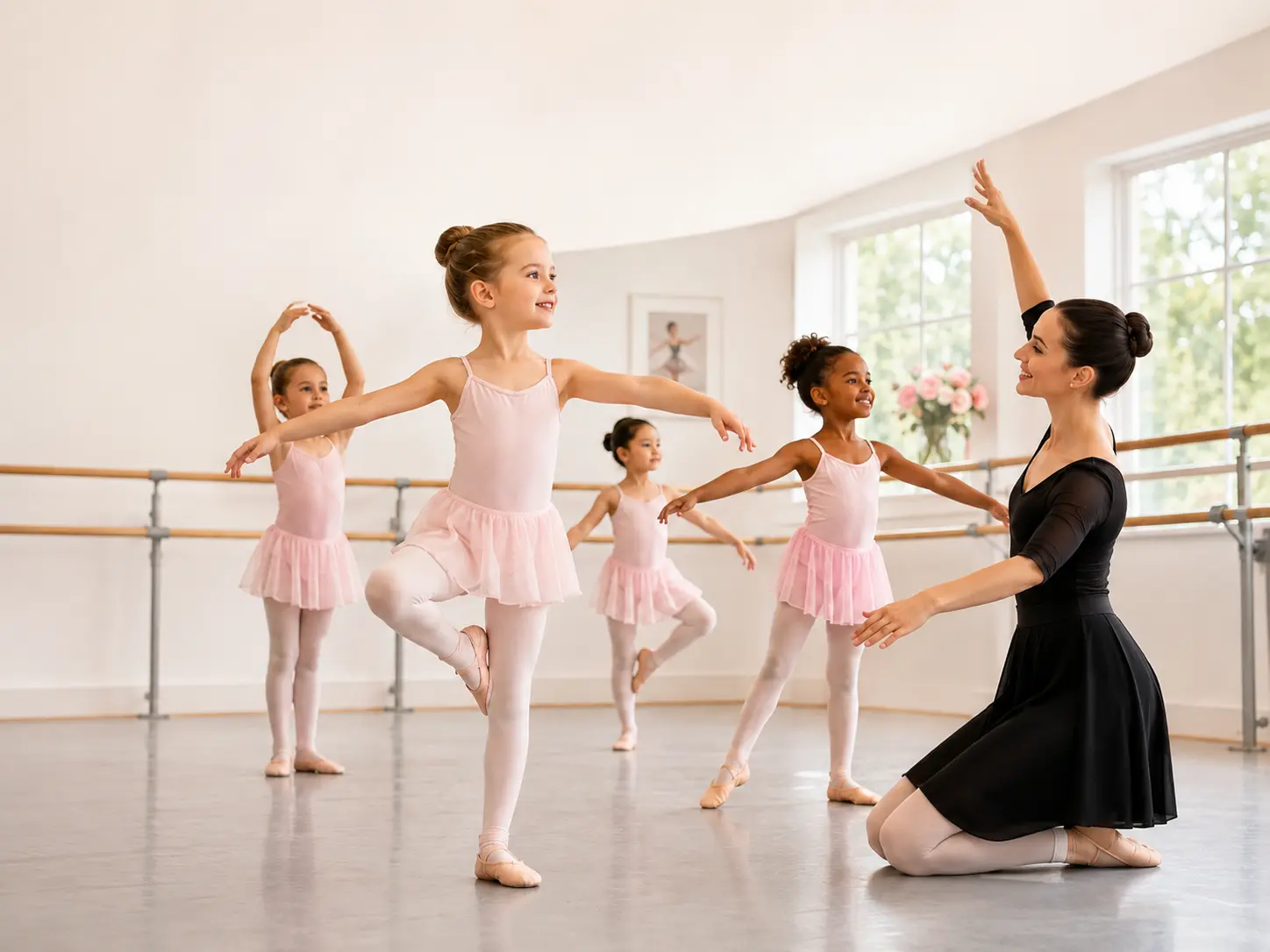
Perform Art Studios offers ballet training for young dancers alongside a wider range of dance programs. The studio currently lists Ballet for ages 5-18 and describes its classes around smaller class sizes, personal attention, and structured training.
For younger children, the First stART preschool program introduces creative ballet along with several other forms of dance, giving children an opportunity to explore movement before progressing into more focused training.
The goal is not for beginners to arrive already knowing ballet. A suitable program gives them somewhere to begin and a way to develop their skills over time.
Discover Ballet for Young Dancers
Explore ballet programs at Perform Art Studios and find an option suited to your dancer’s age, experience, and current level.
Conclusion
So, what is ballet? Ballet is a structured and expressive form of dance built around technique, posture, coordination, musicality, movement, and performance. Its history stretches back more than five centuries, but ballet continues to evolve through classical, neoclassical, contemporary, and other approaches. For children, learning ballet can provide a foundation for movement while developing coordination, balance, musical awareness, focus, and confidence over time. Perform Art Studios gives young dancers a place to explore those foundations and continue developing their ballet training.
Frequently Asked Questions
Ballet is a structured form of dance that combines technique, controlled movement, posture, musicality, and expression. Dancers learn a specific vocabulary of positions and movements that develops progressively through training.
Ballet has roots in the Italian Renaissance courts of the 15th and 16th centuries, making its history more than 500 years old. It later developed extensively in France and other parts of Europe.
The early roots of ballet developed in Italian Renaissance court entertainment before the art form became increasingly formalized in France.
Common categories include classical ballet, Romantic ballet, neoclassical ballet, and contemporary ballet. Each uses ballet foundations but may differ in movement style, choreography, storytelling, and presentation.
Beginner ballet moves can include plié, tendu, relevé, sauté, arabesque, and foundational arm positions. Students learn these movements gradually as part of their technical development.
Ballet can help children develop coordination, balance, body awareness, musicality, focus, movement control, consistency, creative expression, and confidence.
No. Children do not need exceptional flexibility before beginning. Flexibility develops alongside strength, balance, coordination, control, and technique through age-appropriate training.
No. Beginners first develop foundational ballet technique, strength, alignment, balance, and control. Pointe work is a more advanced stage of training that comes later when a dancer is appropriately prepared.