
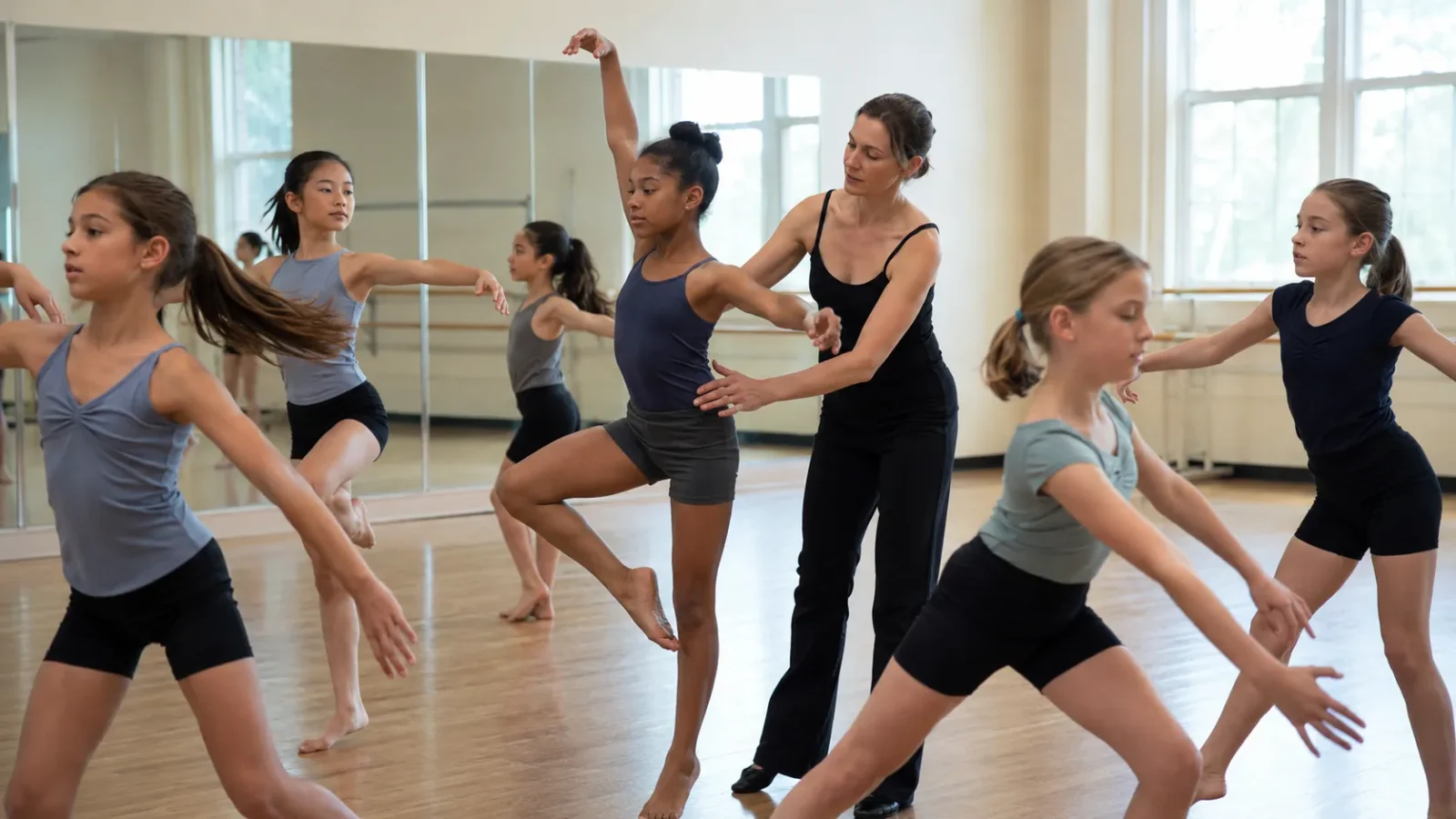
Choosing the right dance style for a child can be an exciting but sometimes confusing decision for parents. With so many different options available, families often want to understand what makes each style unique and which type of dance may best match their child’s personality, interests, and goals.
Lyrical jazz dance is a beautiful style that combines the technical foundation of ballet, the energy of jazz, and the emotional storytelling of contemporary movement. Instead of focusing only on learning steps, this expressive dance style encourages children to connect with music, explore emotions, and communicate stories through movement.
For young dancers, lyrical jazz can be a powerful way to develop confidence, creativity, musicality, flexibility, and performance skills while enjoying the artistic side of dance.
What Is Lyrical Jazz Dance?
Lyrical jazz dance is an expressive dance style that blends elements of ballet, jazz, and contemporary dance. It focuses on using movement to communicate emotions, ideas, and stories.
Unlike some dance styles that mainly focus on technique, speed, or precision, lyrical jazz encourages dancers to understand the meaning behind the music and express those feelings through choreography.
A lyrical jazz routine often includes:
- Ballet-inspired technique and body control
- Jazz-based movement and performance quality
- Contemporary influences and floor work
- Expressive choreography
- Musical interpretation
- Storytelling through movement
The goal is not only to perform movements correctly but also to create a connection between the dancer, the music, and the audience.
How Is Lyrical Jazz Different From Ballet and Jazz Dance?
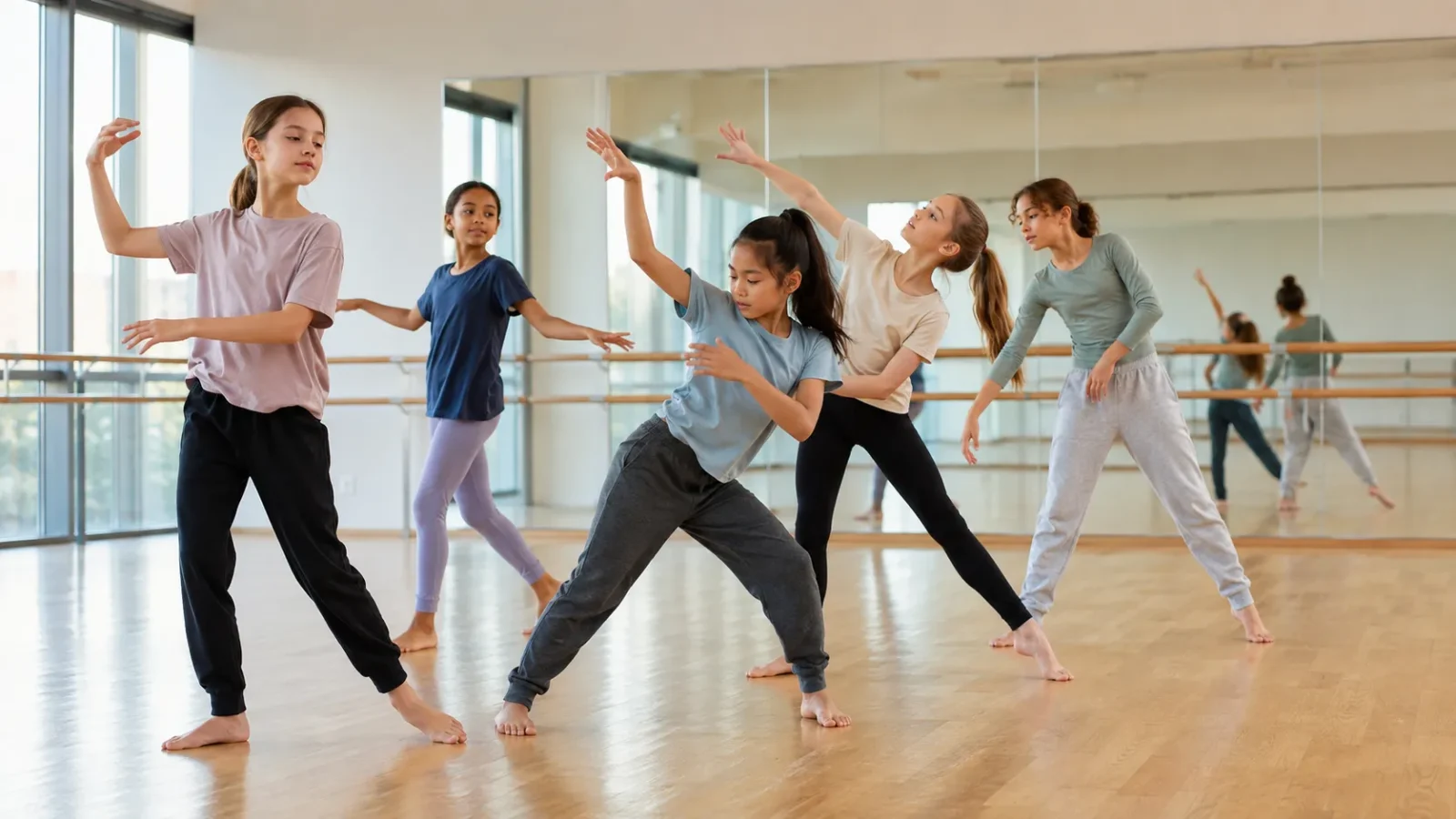
Although lyrical jazz shares elements with ballet and jazz, it has its own unique characteristics.
| Dance Style | Main Focus | Movement Style |
|---|---|---|
| Ballet | Technique, posture, discipline, precision, and body control. | Structured, controlled, graceful, and focused on classical foundations. |
| Jazz | Rhythm, musicality, energy, performance quality, and dynamic movement. | Sharp, expressive, energetic, and often influenced by popular music styles. |
| Lyrical Jazz | Emotional storytelling, musical expression, and connection with lyrics. | Fluid, expressive, creative, and combines ballet, jazz, and contemporary influences. |
Ballet provides many of the technical foundations that support lyrical jazz, including balance, flexibility, alignment, and body awareness.
Jazz adds energy, performance skills, and stronger movement dynamics.
Lyrical jazz brings these elements together while allowing dancers to explore creativity and personal expression.
Why Do Children Enjoy Lyrical Jazz Dance?
Many children are naturally drawn to lyrical jazz because it allows them to express themselves in a creative way.
Rather than simply memorising choreography, dancers learn how movement can represent emotions, stories, and ideas. A song can inspire different interpretations, and children are encouraged to explore how they personally connect with the music.
Lyrical jazz can be especially enjoyable for children who:
- Love music and storytelling
- Enjoy creative movement
- Want to combine technique with expression
- Like both ballet and jazz styles
- Enjoy performing and sharing emotions through dance
This balance between structure and creativity makes lyrical jazz a unique experience for young dancers.
Benefits of Lyrical Dance for Kids
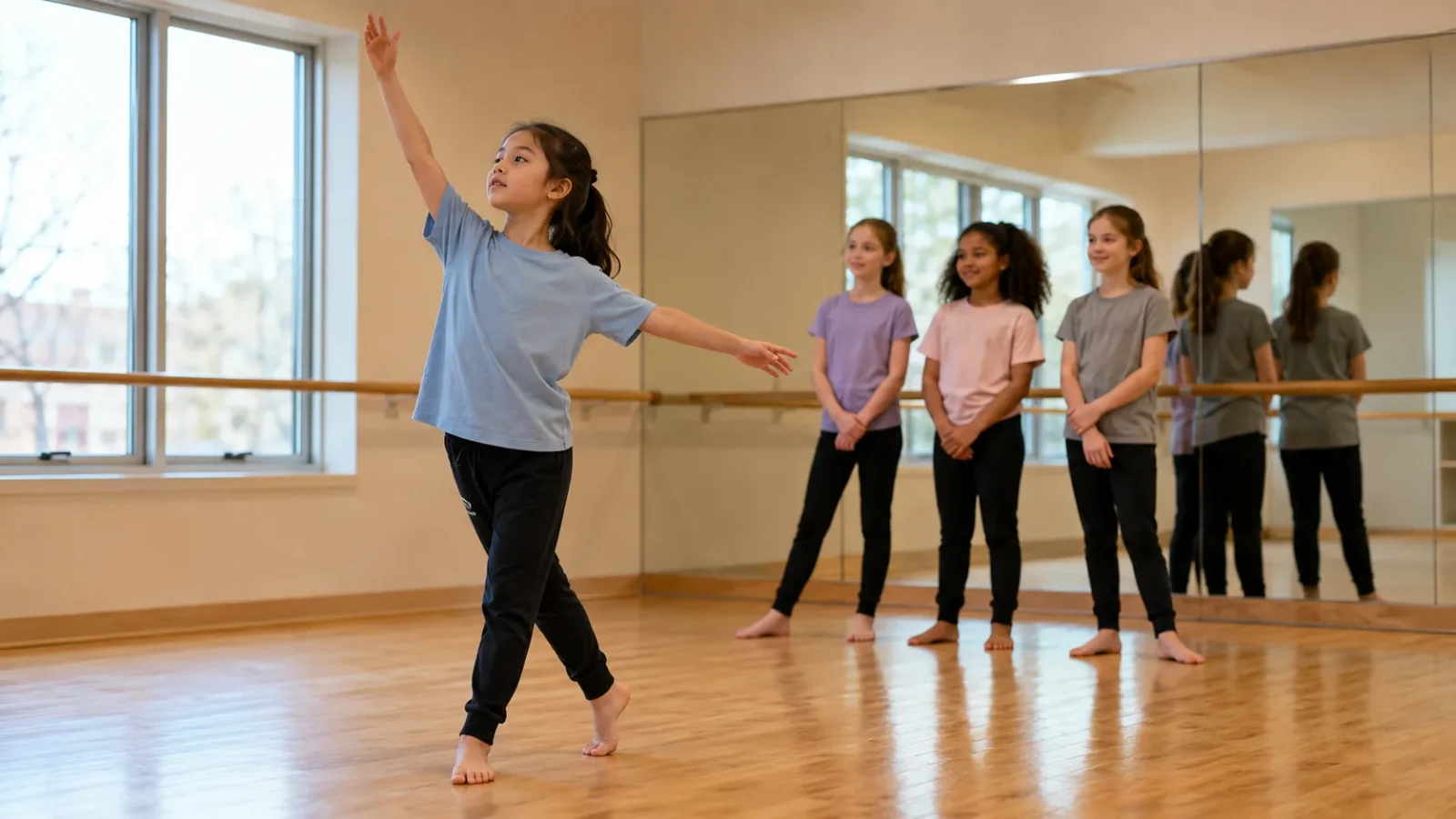
Lyrical jazz offers many benefits that support children’s physical, creative, and personal development.
Building Confidence Through Self-Expression
One of the biggest benefits of lyrical jazz dance is helping children become more confident in expressing themselves.
Because this style focuses on emotions and storytelling, children learn that their movements can communicate ideas and feelings. Over time, they become more comfortable performing in front of others and sharing their creativity.
Confidence grows through experiences such as:
- Learning new choreography
- Performing with classmates
- Interpreting music
- Developing personal expression
- Celebrating progress
These skills can support children not only in dance but also in school, friendships, and everyday life.
Improving Musicality and Connection With Music
Lyrical jazz teaches children to listen carefully and understand how music influences movement.
Dancers learn about:
- Rhythm
- Timing
- Musical phrasing
- Emotional interpretation
- Movement quality
Instead of simply moving along with a song, dancers learn how to respond to the mood and meaning behind the music.
Developing Flexibility, Balance and Coordination
The combination of ballet, jazz, and contemporary techniques helps children develop important physical skills.
Lyrical jazz supports:
- Flexibility
- Balance
- Coordination
- Strength
- Body awareness
These foundations help dancers improve their overall technique and prepare them for different styles of performance.
Encouraging Creativity and Artistic Expression
Lyrical jazz gives children the opportunity to explore their own creativity.
Through choreography and interpretation, dancers learn how to make artistic choices and develop their own performance style.
They begin to understand that dance is not only about performing movements, but also about communicating something meaningful.
What Skills Do Children Develop Through Lyrical Jazz?
Lyrical jazz helps children develop skills that extend beyond the dance studio.
Performance Skills
Children learn how to perform with confidence, connect with an audience, and communicate emotions through movement.
Focus and Discipline
Learning choreography requires concentration, memory, and commitment. These skills help children develop patience and perseverance.
Emotional Awareness
By exploring different emotions through music and movement, children learn how to recognise and express feelings in a healthy way.
Teamwork
Group choreography teaches dancers how to cooperate, support each other, and work toward a shared performance goal.
Is Lyrical Jazz Dance Suitable for Beginners?
Lyrical jazz can be a great choice for young dancers who are interested in expressive movement and creative performance.
While previous dance experience can be helpful, many children develop lyrical jazz skills gradually through structured classes.
A child does not need to be an advanced dancer to enjoy this style. The most important factors are interest, willingness to learn, and finding a program that matches their age and ability.
For children who enjoy expressive movement and storytelling through music, our lyrical jazz classes provide an opportunity to develop technique, confidence, and creativity.
What Should Parents Know Before Choosing a Lyrical Jazz Class?
Before choosing a lyrical jazz program, parents should consider a few important factors.
Age and Experience Level
Different programs may have different age requirements and experience expectations. Some lyrical jazz classes are designed for beginners, while others may require previous dance training.
Teaching Approach
A supportive environment allows children to develop confidence while learning new skills.
Balance Between Technique and Creativity
A strong lyrical jazz program should combine proper dance technique with opportunities for creativity and personal expression.
Performance Opportunities
Performances allow children to celebrate their progress and experience the excitement of sharing their skills with an audience.
Lyrical Jazz Dance Compared With Other Expressive Dance Styles
Parents often compare lyrical jazz with other styles such as contemporary dance or musical theatre.
Each style offers different benefits:
| Style | Main Focus |
|---|---|
| Lyrical Jazz | Emotional storytelling, musical expression, and combining ballet and jazz techniques. |
| Contemporary | Creative movement, exploration, improvisation, and personal interpretation. |
| Musical Theatre | Singing, acting, dancing, storytelling, and stage performance. |
Choosing the right style depends on what your child enjoys most and how they prefer to express themselves.
How Lyrical Jazz Helps Children Grow as Performers
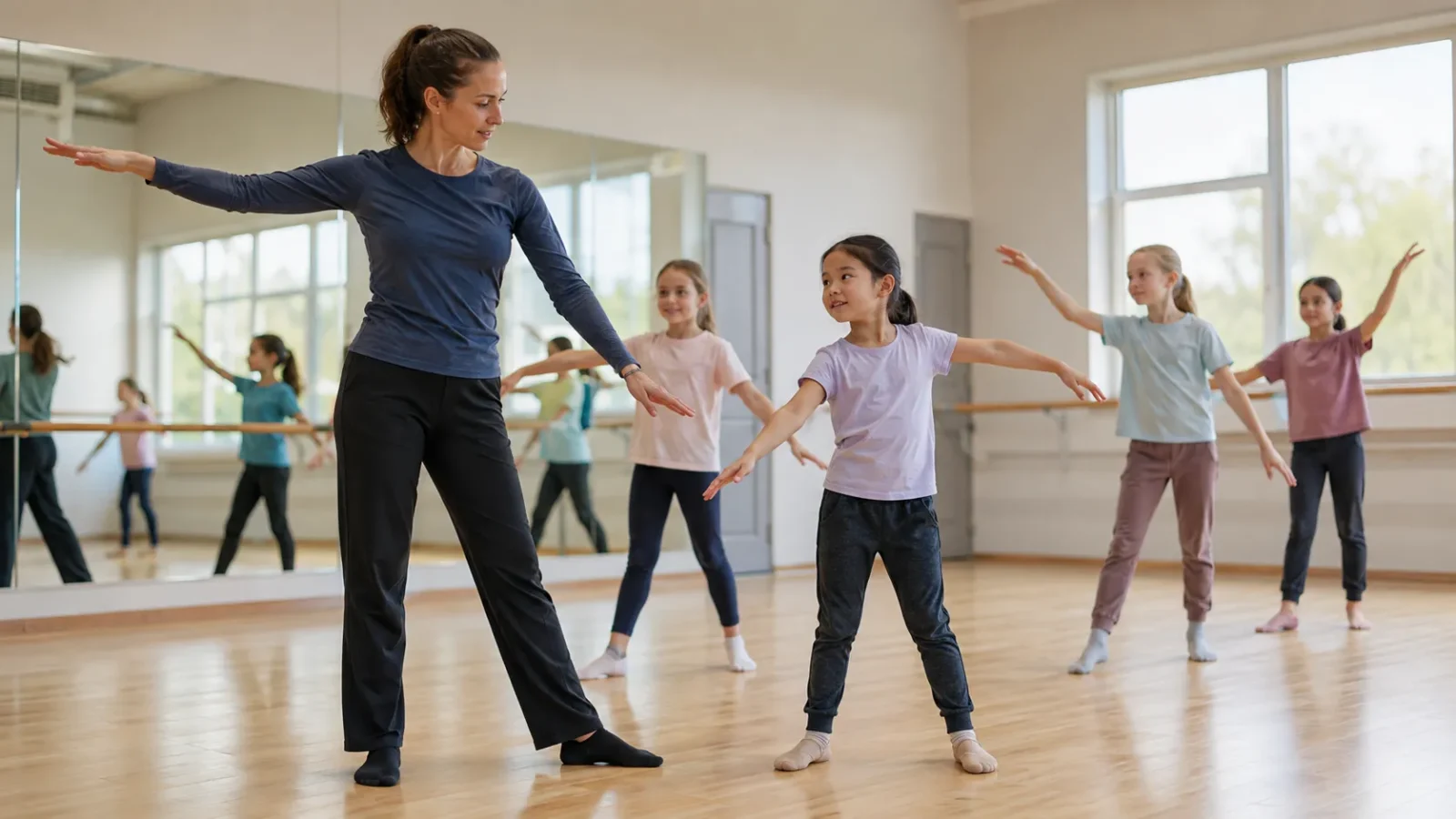
Lyrical jazz is not only about learning choreography. It helps children become more confident, expressive, and creative performers.
Through regular practice, dancers learn how to:
- Connect with music
- Express emotions through movement
- Perform with confidence
- Work with others
- Develop their own artistic voice
These experiences create a strong foundation for future dance training and personal growth.
Conclusion: Discover the Expressive World of Lyrical Jazz Dance
Lyrical jazz dance gives children a unique opportunity to combine technique, creativity, and emotional expression. By blending ballet, jazz, and contemporary influences, this style helps young dancers develop confidence, musicality, flexibility, and performance skills.
For children who enjoy telling stories through movement and connecting with music, lyrical jazz can be a rewarding and inspiring dance experience.
Families interested in exploring this expressive style can discover how lyrical jazz classes help young dancers grow in confidence, creativity, and performance ability.