
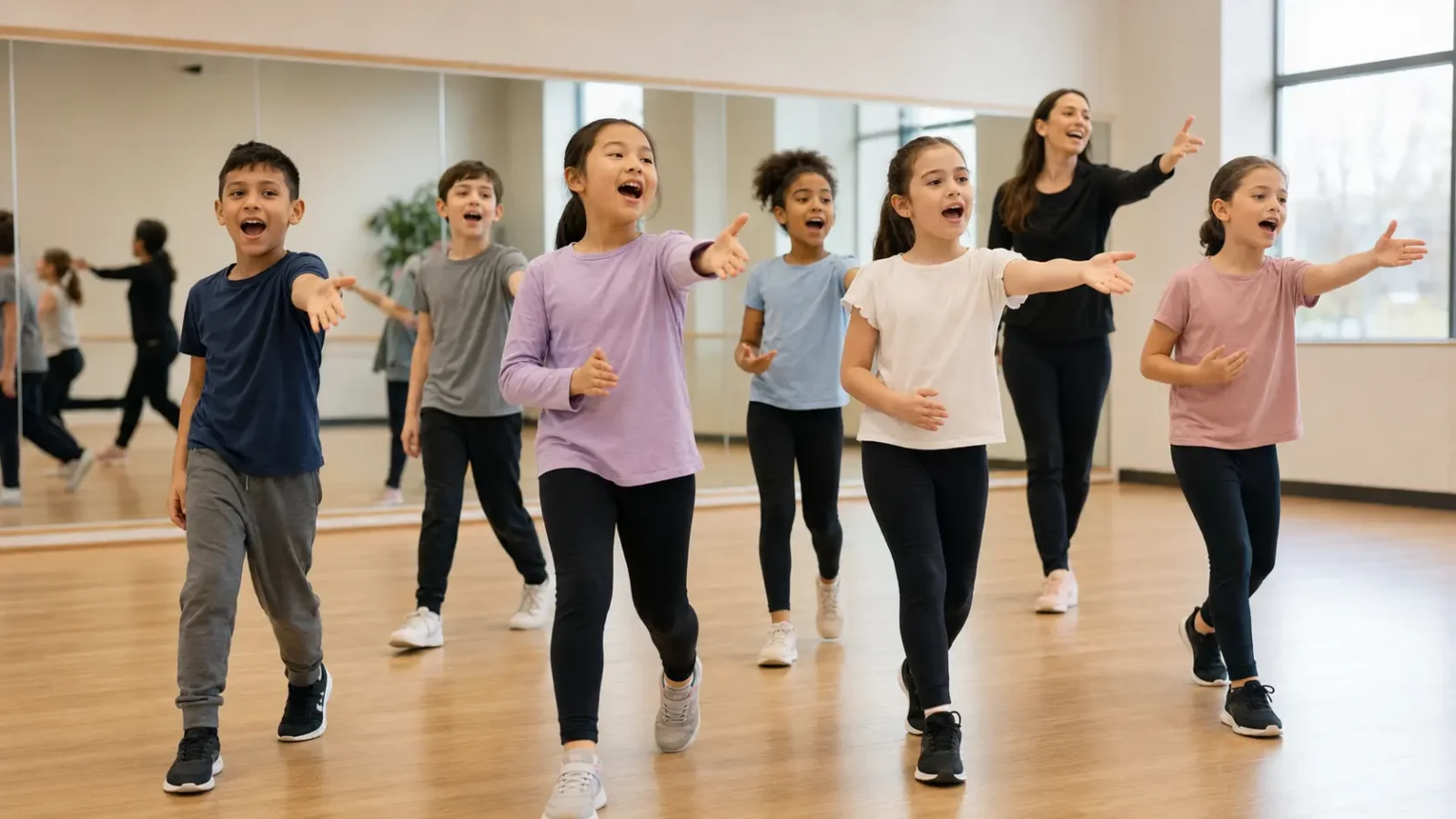
Musical theatre is much more than learning songs and performing on stage. For children, it is an opportunity to explore creativity, develop confidence, build communication skills, and discover the joy of storytelling through movement, music, and acting.
Combining singing, dancing, and acting, musical theatre gives young performers a unique environment where they can express themselves, work with others, and gradually become more comfortable in front of an audience.
At Perform Art Studios, we believe that every child has a story to tell. Through musical theatre education, children are encouraged to explore their imagination, develop performance skills, and grow into confident young performers in a supportive and positive environment.
What Is Musical Theatre for Kids?
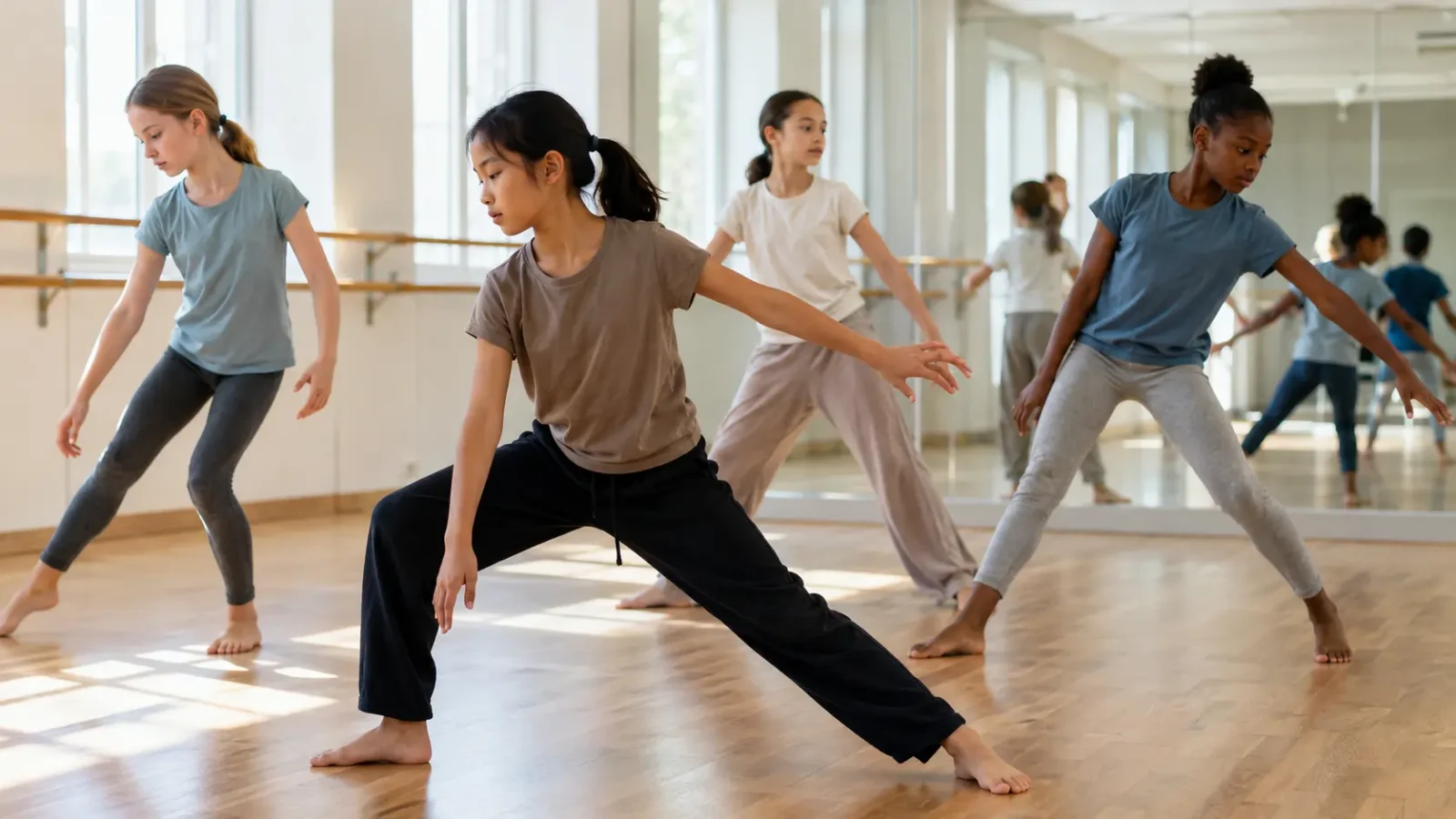
Musical theatre for kids combines three important performance disciplines: singing, dancing, and acting. Unlike a traditional dance class or singing lesson that focuses mainly on one skill, musical theatre brings different forms of expression together into one creative experience.
Children learn how movement, music, dialogue, and emotions work together to tell a story. They practise performing characters, learning choreography, developing stage presence, and working as part of a team.
A typical kids musical theatre class may include:
- Singing exercises and vocal development
- Dance choreography and stage movement
- Acting activities and character development
- Improvisation exercises
- Script reading and storytelling
- Group performances
This combination helps children become more versatile performers while developing skills that benefit many areas of their lives.
Families looking for musical theatre classes for kids can explore programs designed to help young performers develop confidence, creativity, and stage skills.
How Musical Theatre Helps Children Build Confidence
One of the greatest benefits of musical theatre for kids is the confidence it develops.
Performing in front of others can feel intimidating, especially for children who are naturally shy or unsure of themselves. Musical theatre creates a supportive environment where children can gradually become more comfortable using their voice, expressing emotions, and sharing ideas.
Confidence does not appear overnight. It grows through small achievements, such as:
- Learning a new song
- Remembering choreography
- Speaking a line clearly
- Performing with classmates
- Receiving encouragement from teachers and peers
Over time, children begin to trust their abilities and feel proud of their progress. This confidence often extends beyond the stage into school, friendships, and everyday situations.
Developing Creativity Through Acting, Singing and Dance
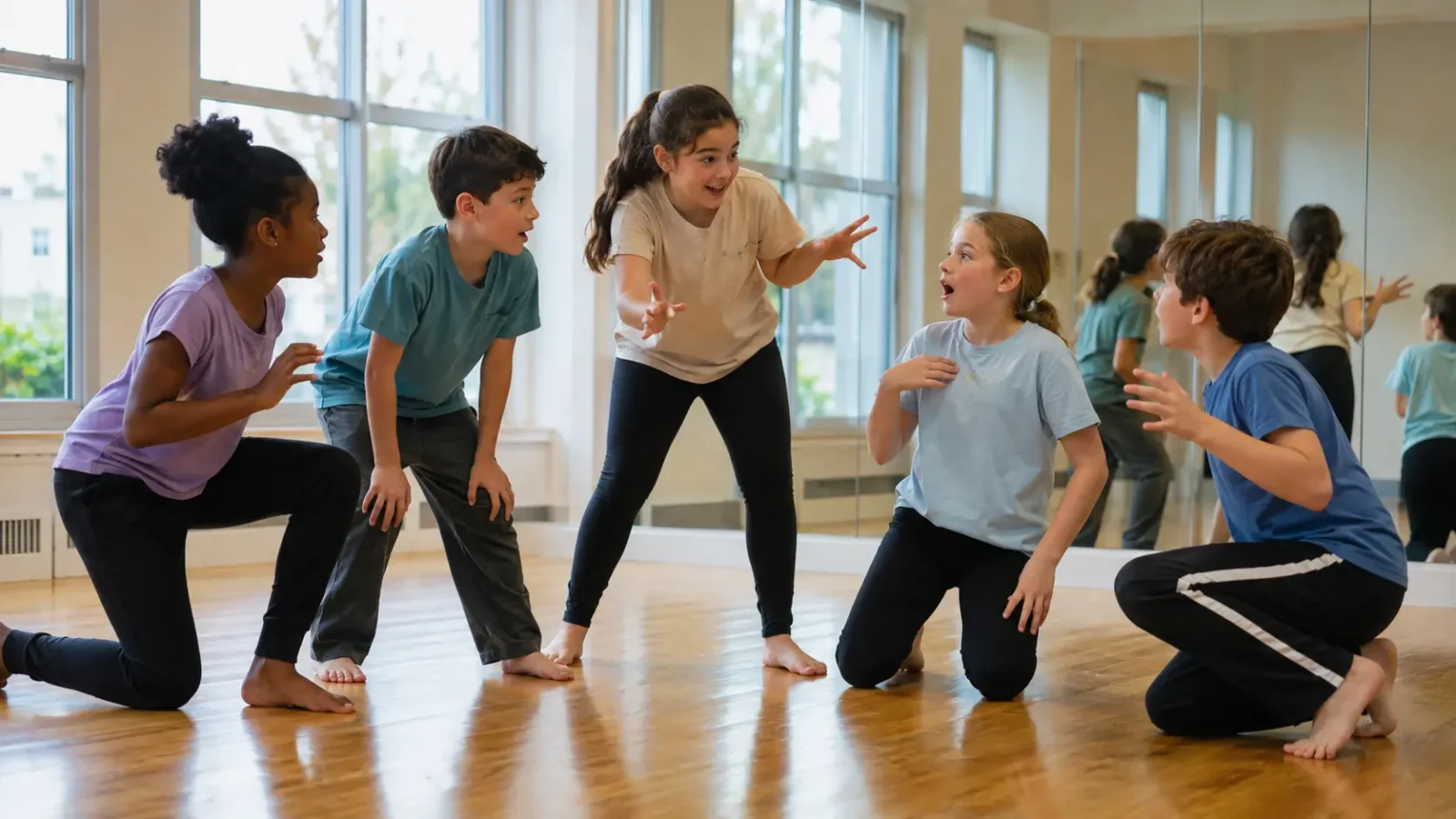
Creativity is at the heart of musical theatre.
Children are not only learning what to sing or how to perform a movement. They are learning how to interpret stories, understand characters, and make artistic choices.
Through acting exercises and creative activities, children explore questions like:
- How does this character feel?
- How can movement show emotion?
- How can music change the way a scene feels?
- How can a performer tell a story without words?
This encourages children to think imaginatively and develop their own creative ideas.
Musical theatre allows children to combine different forms of expression, helping them discover their unique personalities as performers.
Improving Communication and Teamwork Skills
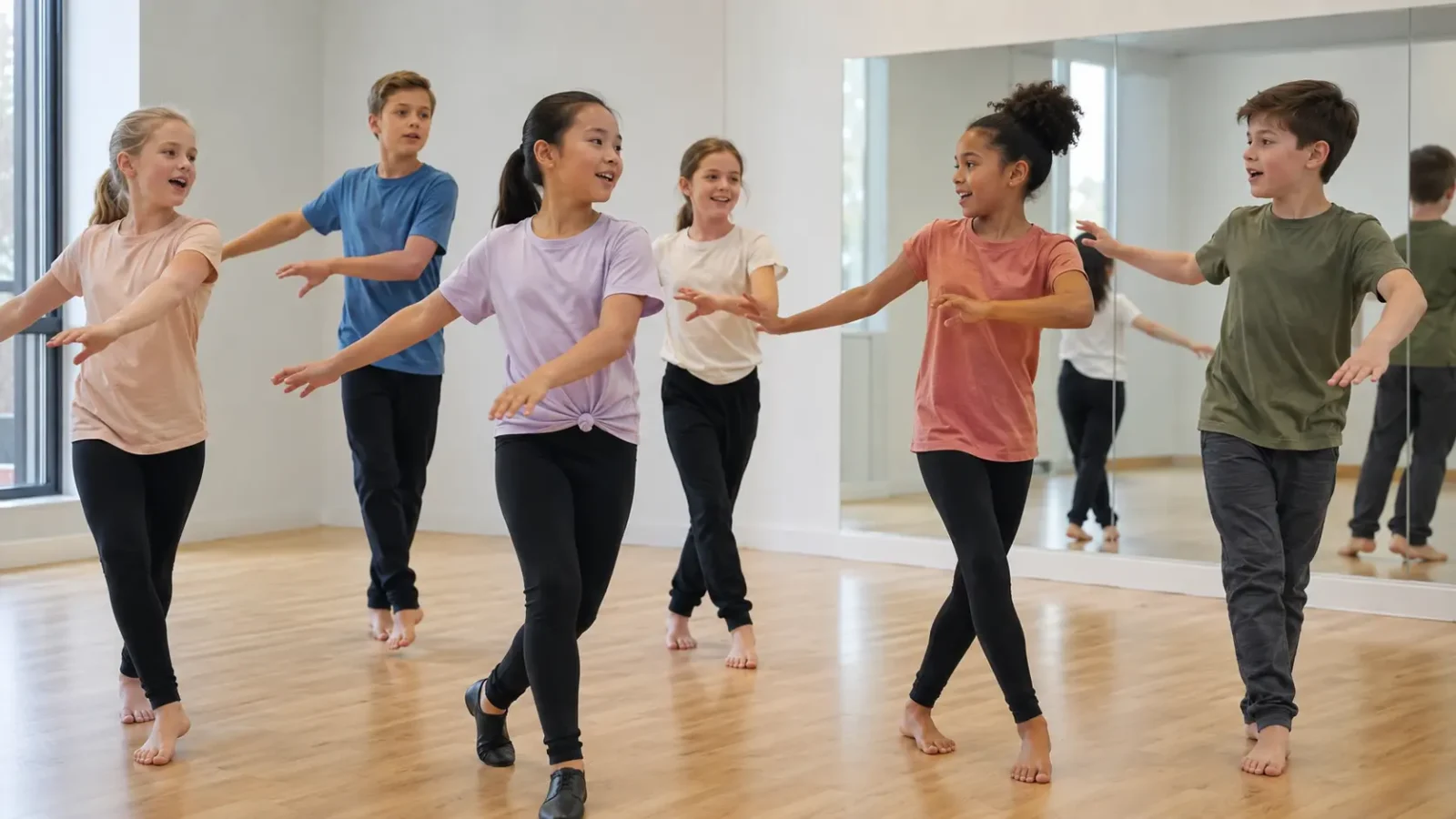
A successful performance depends on teamwork.
Children in musical theatre learn that every performer plays an important role. Whether they are singing in a group, performing choreography together, or acting in a scene, they need to listen, cooperate, and support each other.
These experiences help children develop:
- Active listening skills
- Collaboration
- Respect for others
- Responsibility
- Clear communication
Working together toward a shared goal teaches children valuable lessons about being part of a team.
These skills are useful far beyond the theatre environment and can support children throughout school, friendships, and future activities.
Building Performance Skills That Last Beyond the Stage
The skills children develop through musical theatre are not only useful for performances. They can influence many areas of personal growth.
Musical theatre helps children become more comfortable with:
- Speaking in front of groups
- Presenting ideas
- Expressing emotions clearly
- Thinking creatively under pressure
- Adapting to new situations
For some children, performing becomes a passion. For others, the confidence and communication skills they gain become valuable tools for everyday life.
The stage becomes a place where children learn courage, creativity, and self-expression.
Why Musical Theatre Is Great for Shy Children
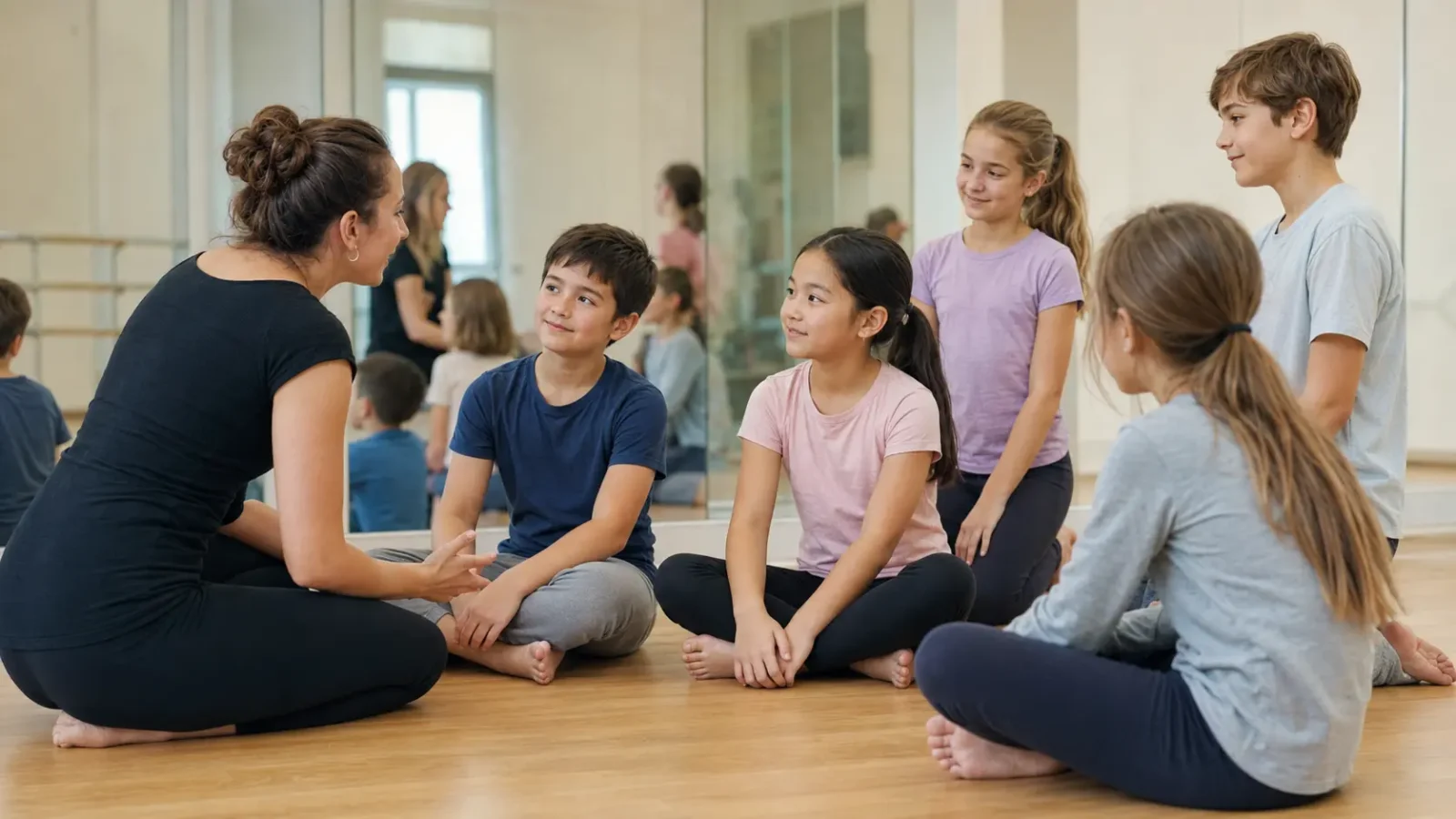
Many parents wonder whether musical theatre is suitable for children who are quiet or nervous about performing.
The answer is yes.
A supportive musical theatre environment does not require every child to immediately step into the spotlight. Children are encouraged to participate at their own pace while gradually developing confidence.
Group activities, ensemble performances, and supportive instruction help shy children feel comfortable before taking on bigger challenges.
A child who starts by quietly participating in the background may eventually discover the confidence to sing, act, and perform in front of others.
Musical theatre gives children the opportunity to grow without pressure.
Musical Theatre vs Traditional Acting or Singing Classes
| Skill | Musical Theatre | Acting Classes | Singing Classes |
|---|---|---|---|
| Singing | Yes, students develop vocal skills while performing songs as part of a larger production. | Limited focus on vocal performance. | Yes, focused mainly on voice development and musical technique. |
| Acting | Yes, students learn character development, emotions, and storytelling. | Yes, with a stronger focus on dialogue and dramatic performance. | Limited focus on acting skills. |
| Dance Movement | Yes, choreography and stage movement are important parts of training. | Usually limited movement work. | Usually focused on standing vocal performance. |
| Stage Performance | Yes, students practise combining singing, dancing and acting for performances. | Yes, mainly through acting scenes and presentations. | Sometimes, depending on the program. |
| Storytelling | Yes, through characters, music, movement and performance. | Yes, mainly through scripts and dialogue. | Limited focus on storytelling. |
Musical theatre is ideal for children who enjoy variety and want to explore different aspects of performance in one program.
What Age Is Best to Start Musical Theatre?
There is no single perfect age to begin musical theatre. The best time depends on a child’s interests, confidence, and readiness to participate in a group environment.
Young beginners can benefit from musical theatre because classes focus on exploration, creativity, and building foundational skills.
Children do not need previous experience in singing, acting, or dancing to start. A supportive program allows them to develop these abilities step by step.
The most important factor is finding a class that matches the child’s age and comfort level.
Why Choose Musical Theatre Classes for Kids in North Vancouver?
A quality musical theatre program gives children more than performance training. It provides a place where they can explore creativity, build friendships, and develop confidence.
At Perform Art Studios, young performers have the opportunity to develop the three core musical theatre skills:
- Singing
- Dancing
- Acting
Through supportive instruction and creative performance experiences, children learn how to express themselves while building important life skills.
Families looking for musical theatre classes for kids in North Vancouver can discover a program where children are encouraged to grow, perform, and enjoy the creative process.
Conclusion
Musical theatre gives children a unique opportunity to combine creativity, movement, music, and storytelling. Through singing, dancing, and acting, young performers develop confidence, communication skills, teamwork, and a stronger sense of self-expression.
Whether a child dreams of performing on stage or simply wants a creative activity that builds valuable skills, musical theatre can be an incredibly rewarding experience.
At Perform Art Studios, our musical theatre programs help children discover their confidence, creativity, and love for performing arts in a welcoming environment.