
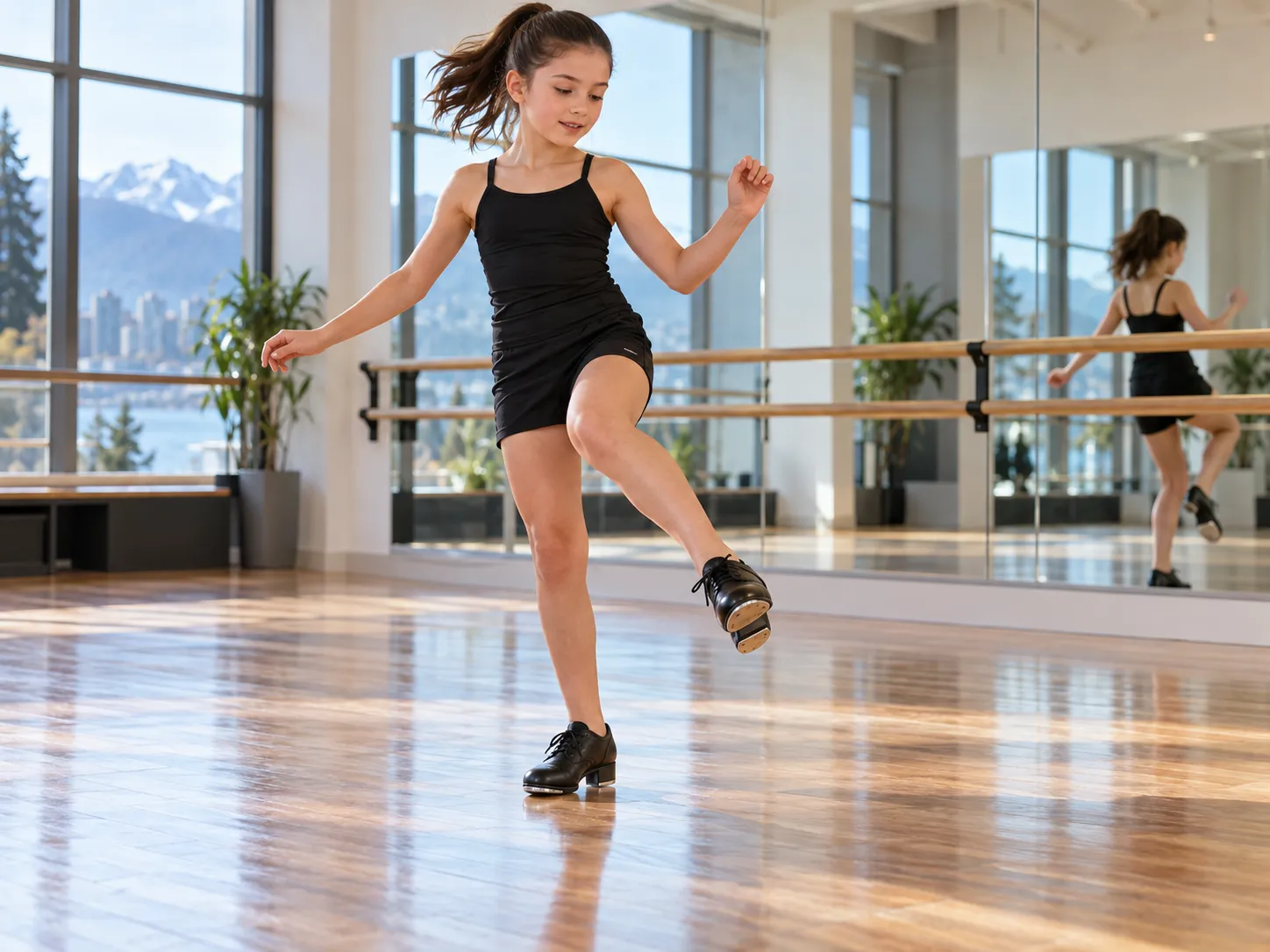
Tap dance is a lively dance style built around rhythm, musicality, and precise footwork. Dancers wear special shoes with metal taps attached to the heel and toe, turning each step into part of the music. Unlike many dance styles where movement follows the beat, tap dancers can help create the beat themselves through combinations of steps, accents, and rhythms.
Tap can be energetic and theatrical or subtle and musical, which makes it a versatile style for both beginners and experienced dancers.
The Origins and History of Tap Dance
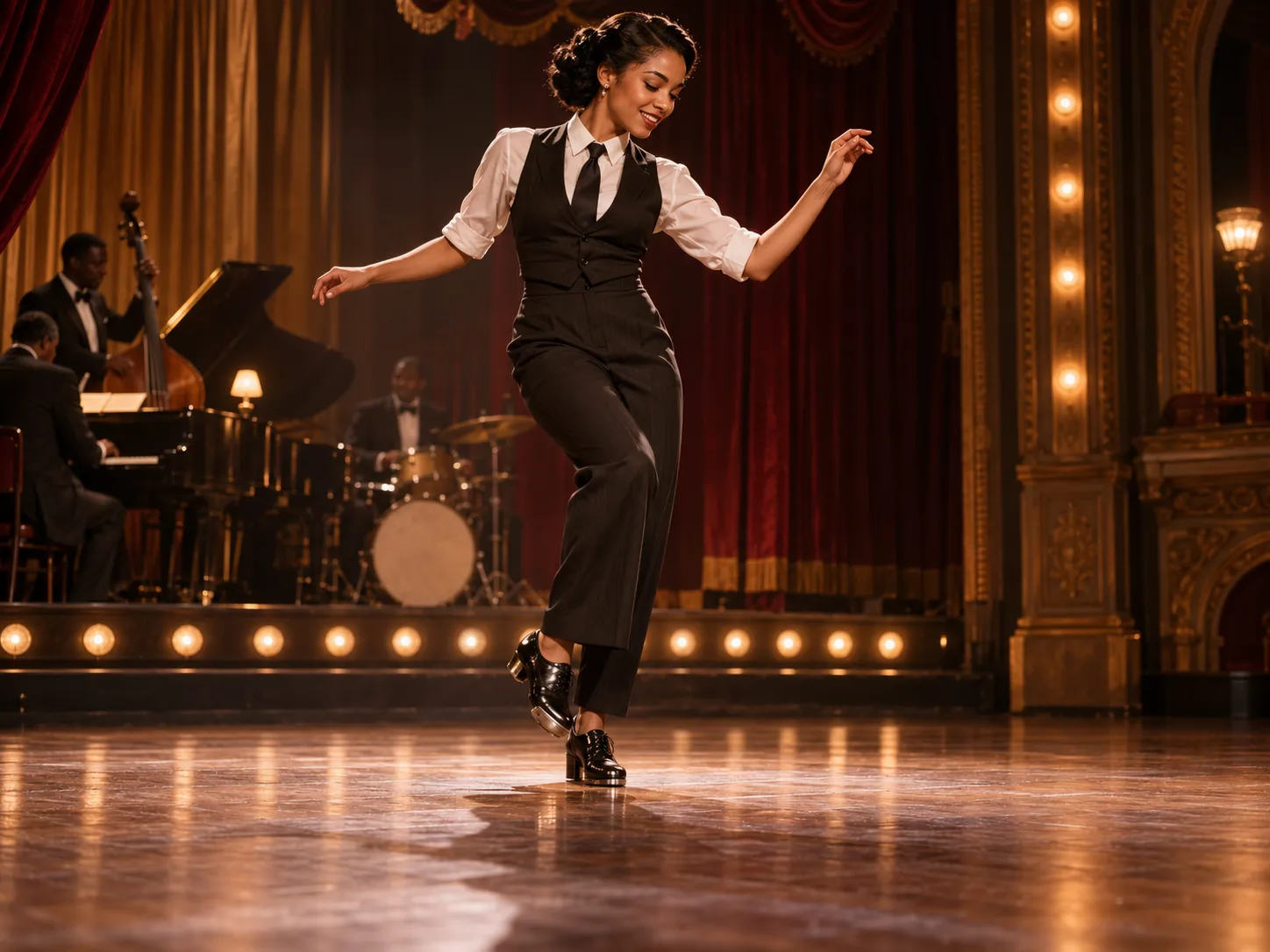
Tap dancing originated in the United States through the blending of African rhythmic traditions with British and Irish step-dance forms.
By the 19th century, percussive dance became increasingly common in stage entertainment. In the early 20th century, metal taps began appearing on dancers’ shoes, helping shape the recognizable sound of modern tap. Tap later became closely associated with vaudeville, Broadway, jazz, and Hollywood musicals.
Over time, tap continued to evolve rather than staying tied to one period or performance style. Jazz rhythms, improvisation, theatrical performance, and later influences from other musical traditions all contributed to the way tap is performed today.
What Is Tap Dance Style?
One of the most distinctive things about tap is that the dancer is both a performer and a percussionist.
Instead of focusing only on shapes and movement, tap dancers learn how different parts of the foot create different sounds. Steps can be combined into rhythmic patterns that work with the music or create an additional layer of rhythm.
Some of the main elements of tap dance include:
- Rhythm: learning to recognize and reproduce musical patterns
- Timing: placing sounds accurately within the beat
- Footwork: developing clear and controlled movements
- Musicality: understanding how dance relates to the music
- Coordination: combining foot patterns with movement through space
- Improvisation: creating rhythms and combinations spontaneously as skills develop
These elements make tap both a dance style and a form of musical expression.
What Do Beginners Learn in Tap Dance?
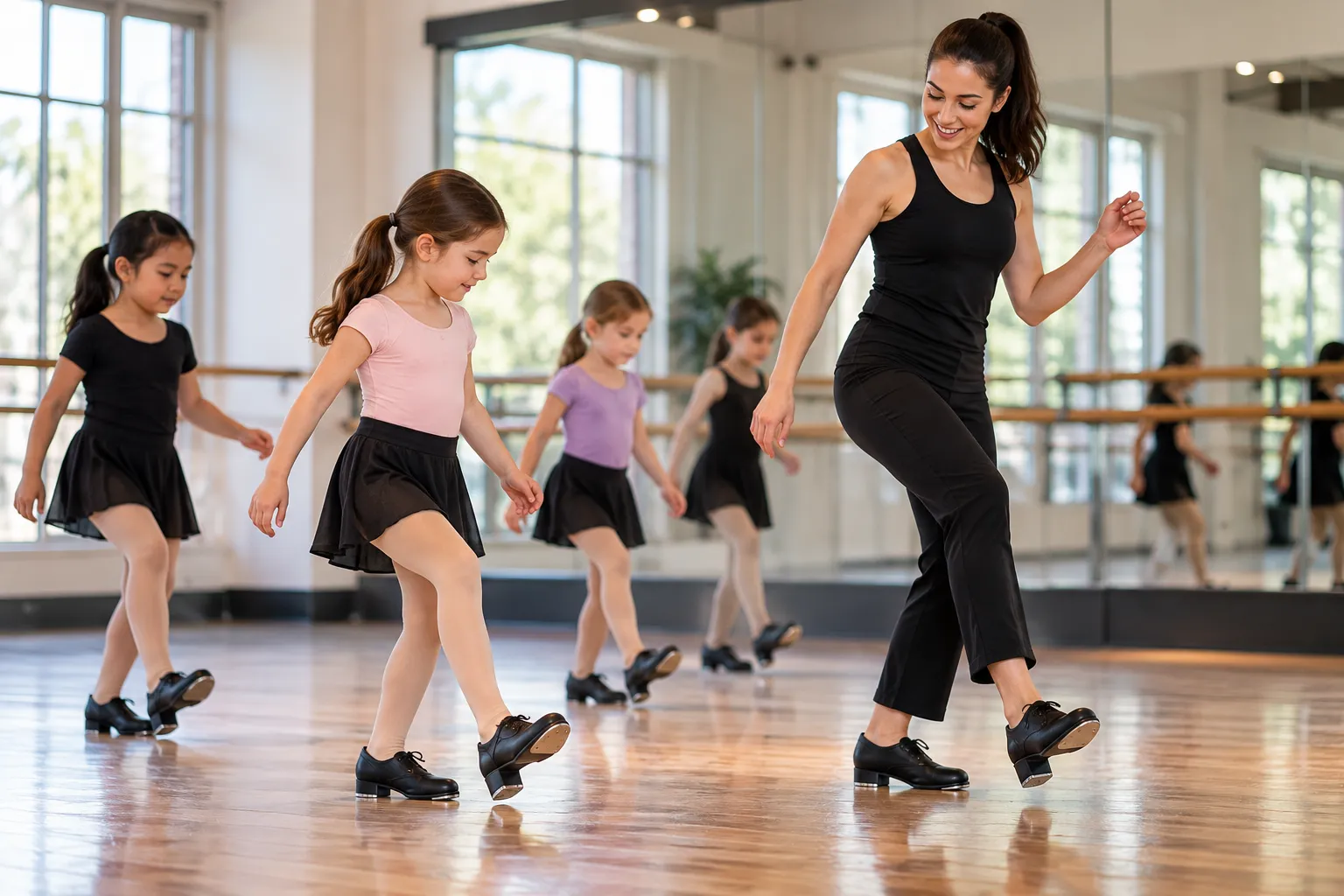
Beginner tap classes usually start with basic foot positions, simple sounds, and foundational steps. Students gradually learn how to connect these movements into short combinations while keeping a steady rhythm.
Common beginner skills may include:
- toe and heel sounds
- shuffles
- taps and steps
- ball changes
- simple time steps
- basic rhythm combinations
As students become more comfortable, combinations can become faster and more complex.
For children, learning tap is also an opportunity to develop listening skills and coordination while becoming more aware of rhythm and timing.
Ready to Give Tap a Try?
A trial class gives young dancers the chance to experience tap, meet an instructor, and see how they enjoy the style before committing to a program.
What Are the Best Tap Dance Shoes for Beginners?
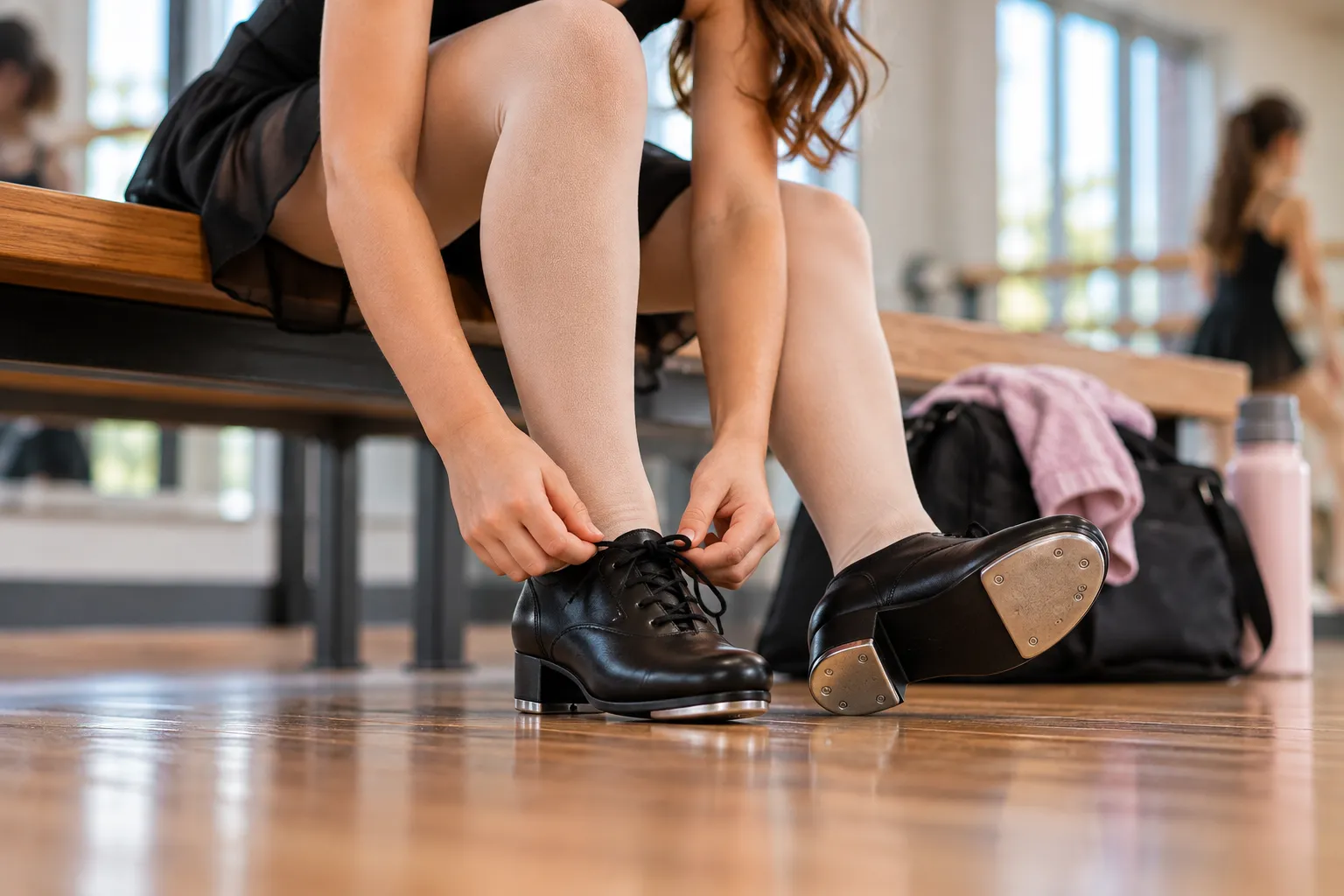
For beginners, the best tap shoes are usually comfortable, supportive, and properly fitted. They should stay secure on the foot without feeling overly tight and allow the dancer to move naturally while producing clear sounds.
Beginner tap shoes generally have metal taps attached to both the heel and toe. The exact style can vary, including lace-up, slip-on, and buckle designs.
For children, fit is especially important. Shoes that are too large can make footwork harder to control, while shoes that are too tight can quickly become uncomfortable.
Before buying a pair, it is worth checking whether the dance studio has a specific dress code or shoe recommendation.
Why Learn Tap Dance?
Tap combines physical movement with musical learning, giving dancers the chance to develop several skills at the same time.
Regular tap training can help students work on:
- rhythm and musical awareness
- coordination
- balance and control
- listening skills
- memory
- confidence in performance
There is also an immediate sense of feedback in tap. Students can hear whether a rhythm is clear and whether their timing matches the music, which makes practice highly interactive.
Tap can also complement other dance styles. Skills such as timing, musicality, stage awareness, and coordination can support dancers who also study jazz, musical theatre, ballet, or contemporary dance.
Is Tap Dance Good for Kids?
Tap can be a great choice for children who enjoy music, rhythm, movement, and making a little noise while they learn.
Because the style gives students an audible result from each movement, younger dancers can develop a stronger connection between what they hear and what their body is doing. Classes can gradually build from simple patterns to more challenging combinations as coordination and confidence improve.
The most important factor is choosing a class that matches the dancer’s age and experience level so they can build technique at an appropriate pace.
Tap Dance Classes at Perform Art Studios
Perform Art Studios offers tap classes for dancers ages 5 to 18 in North Vancouver. The studio focuses on smaller class sizes, personal attention, and quality dance training, with programs designed for students ranging from beginners to more experienced dancers.
Tap instruction is part of the studio’s wider dance program, and the faculty includes an instructor who teaches Tap, Jazz, and Competitive Hip Hop.
The studio is located at Lonsdale Quay Market in North Vancouver and provides professional facilities for a variety of dance styles.
Find the Right Tap Class
Whether your child is completely new to dance or wants to add tap to their existing training, Perform Art Studios can help you find a class suited to their age and experience.
Conclusion
Tap dance is a unique combination of movement, rhythm, and music. Its long history grew from the meeting of different cultural dance traditions, while its modern form continues to evolve through performance, improvisation, and musical expression.
For beginners, tap offers an engaging way to build coordination, timing, musicality, and confidence while learning how to turn movement into sound. At Perform Art Studios, young dancers in North Vancouver can explore tap in a structured and supportive studio environment.
Frequently Asked Questions
Tap dance can feel challenging at first because students need to coordinate movement, rhythm, and sound at the same time. Beginners usually start with simple steps and gradually build toward more complex combinations.
Children can start tap at a young age as long as the class is appropriate for their age and experience level. Beginner classes usually focus on basic rhythm, coordination, and simple footwork.
Yes. Tap dancers wear shoes with metal taps attached to the heel and toe. These taps create the distinctive sounds that are central to the style.
Yes. Tap can be a good choice for beginners because the skills can be introduced gradually, starting with basic sounds, simple steps, and easy rhythm patterns.
Tap can help develop rhythm, musicality, coordination, timing, balance, listening skills, and confidence in performance.